

1. Rural Banditry Surges as Security Forces Step Up Operations Across Northern Nigeria
Armed bandit groups continue to exploit vulnerabilities in rural areas across Nigeria’s North-West and North-Central regions, feeding a sophisticated criminal economy fueled by ransom, cattle rustling, illegal mining, and arms trafficking. Analysts say early assumptions that the crisis was mostly about grievances rather than profit allowed these networks to bounce back quickly, even under military pressure.
Recent joint operations have made notable progress. In Kogi, precision strikes and forest clearances disrupted bandit camps, neutralized suspects, and cut key logistics with support from the Nigeria Police Force Air Wing. In Taraba, intelligence-led arrests targeted suspected gunrunners, while similar operations in Kwara and Niger aim to curb kidnappings. Yet, the human toll remains stark: attacks in Niger and Sokoto have claimed lives and displaced communities, showing that military action alone is not enough.
Experts stress that breaking the cycle will require clear strategies, community protection, and holding cleared areas to prevent a return of bandit activity, offering a glimmer of hope for safer rural communities and lasting peace.
2. Naira posts modest gains amid forex stability efforts.
The naira opened the week slightly stronger, appreciating about 0.20–0.23 percent in the official Nigerian Foreign Exchange Market to trade around ₦1,423–₦1,426 per dollar by midday, up from roughly ₦1,426.69. The uptick reflects the Central Bank of Nigeria’s ongoing push for transparent price discovery, steady forex supply for legitimate demand, and 2025 reforms that have bolstered market stability. Analysts are watching market turnover as an early indicator of corporate activity and liquidity trends this month.
In the parallel market, the naira trades at ₦1,475–₦1,490, highlighting persistent gaps but also the official market’s resilience thanks to stronger oil revenues and tighter monetary policy. While gains are gradual, they help build confidence that policy consistency could support a steady recovery, easing household pressures and encouraging investment.
3. Resident doctors call off planned strike after high-level talks.
The Nigerian Association of Resident Doctors (NARD) has suspended its nationwide strike, originally set to begin today, following interventions by Vice President Kashim Shettima on behalf of President Bola Tinubu. During a virtual Emergency National Executive Council meeting on January 11, the association reviewed progress on welfare, promotion arrears, salary payments, professional allowances, and locum practice.
Key assurances include implementation of professional allowances starting with January salaries, inclusion of 18 months’ arrears in the 2026 budget, and creation of a multi-stakeholder committee to address work-hour regulations. The suspension is conditional, with NARD set to evaluate tangible progress at its next NEC meeting starting January 25.
The move prevents immediate disruptions in public healthcare, highlights the value of high-level dialogue in resolving labor disputes, and sets the stage for a more resilient medical system that prioritizes both patient care and professional welfare.
4. Economic outlook remains cautiously optimistic.
PwC’s Nigeria Economic Outlook 2026 projects real GDP growth of about 4.3 percent this year, driven by higher crude oil output, a stronger services sector, moderating inflation, stable exchange rates, and continued 2025 reforms. External reserves have strengthened, and monetary policy is supporting gradual improvements for businesses and investors.
Challenges remain, including fiscal constraints and subdued global trade growth. Yet opportunities exist in digital transformation, capital efficiency, and regulatory execution, which could turn macroeconomic gains into tangible progress. Experts caution that without innovative job creation and anti-poverty measures, up to 62 percent of Nigerians—around 141 million people—could still face poverty, but the outlook encourages creative approaches toward a more inclusive, equitable future.
5. Super Eagles face AFCON challenge without Ndidi.
Super Eagles captain Wilfred Ndidi will miss Wednesday’s AFCON 2025 semi-final against Morocco in Rabat due to a suspension from accumulated yellow cards, compounded by a recent injury. Nigeria advanced with a 2-0 win over Algeria, with goals from Victor Osimhen and Akor Adams maintaining their unbeaten streak ahead of this high-stakes match.
Despite Ndidi’s absence, the team’s depth, defensive strength, and attacking talent have impressed throughout the tournament. Fans across the nation hope determination and squad resilience will drive the Super Eagles toward continental glory.
6. President Tinubu wishes Senator Ahmad Lawan a happy birthday.
President Bola Ahmed Tinubu extended warm birthday greetings to former Senate President Senator Ahmad Ibrahim Lawan on January 12, praising his decades-long service in strengthening Nigeria’s democratic institutions. The message highlighted Lawan’s efforts in fostering constructive engagement, national unity, and good governance, earning respect across party lines.
Gestures like this underscore the value of experience in public service and the role of seasoned leaders in guiding the nation toward stability and progress.
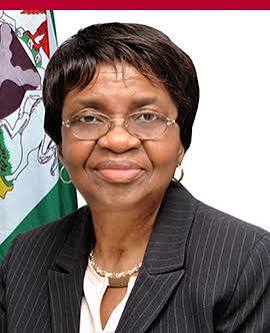
7. NAFDAC alerts public on illegal infant formula products.
The National Agency for Food and Drug Administration and Control (NAFDAC) has warned against unregistered or illegal infant formula products in local markets, following Nestlé’s global voluntary recall of certain SMA and NAN batches over potential cereulide toxin contamination affecting over 60 countries.
NAFDAC confirmed that registered Nestlé products in Nigeria—including SMA Gold 1-3 and NAN Optipro 1-3—remain safe. The agency urged parents to buy only from reliable sources, report suspicious products, and comply with ongoing surveillance measures.
The alert aims to protect infants and families, reinforce regulatory oversight, and maintain public trust in product safety.