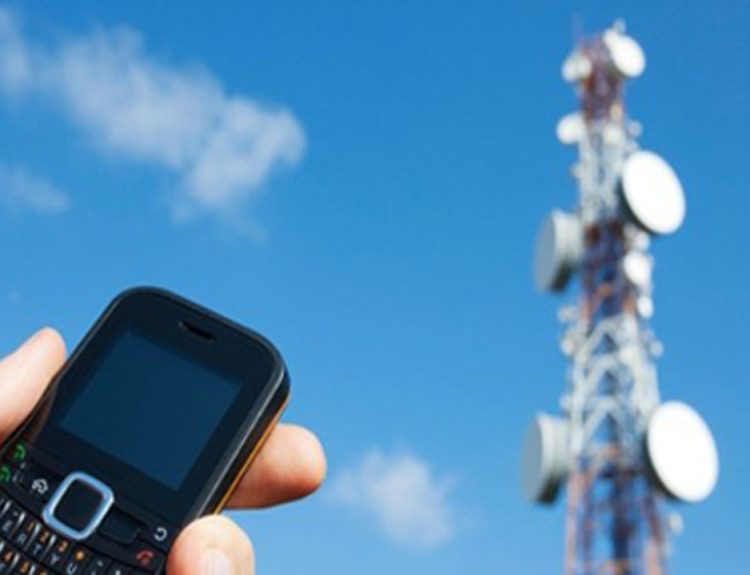


Nigerians hoping for a rapid improvement in network quality following the recent 50% hike in telecommunications tariffs may have to wait a little longer, according to MTN Nigeria. The company’s Chief Technical Officer, Yahaya Ibrahim, says while groundwork has begun for a comprehensive infrastructure overhaul, meaningful results won’t materialize until the last quarter of 2025.
In an exclusive interview with BusinessDay, Ibrahim responded to growing public dissatisfaction over persistent network challenges, despite increased costs passed on to subscribers.
“Equipment is already arriving, and we have mapped out the worst-hit locations. We’re addressing them one by one,” he said. “But people must understand that network investment is never a one-time fix. As you expand, more users come in, more data is consumed, and demand keeps growing. It’s a constant cycle.”
The telecommunications landscape in Nigeria has long suffered from underinvestment. For years, operators warned that without a tariff adjustment, the industry would struggle to keep up with surging data demand and infrastructure decay. The Nigerian Communications Commission (NCC) eventually approved the first major tariff increase in over a decade — a move telecoms companies say was critical for their survival and future expansion.
But for many Nigerians, the price hike has yet to translate into tangible benefits.
“I spend more now but still struggle with poor connection during work hours,” said Tolu Adeyemi, a Lagos-based graphic designer. “It feels like we’re paying more for the same frustration.”
Ibrahim admitted the frustrations are not misplaced but pointed to a complex web of challenges. These include aging infrastructure, surging subscriber numbers, the increasing use of data-heavy applications, and chronic issues like fibre cuts and vandalism.
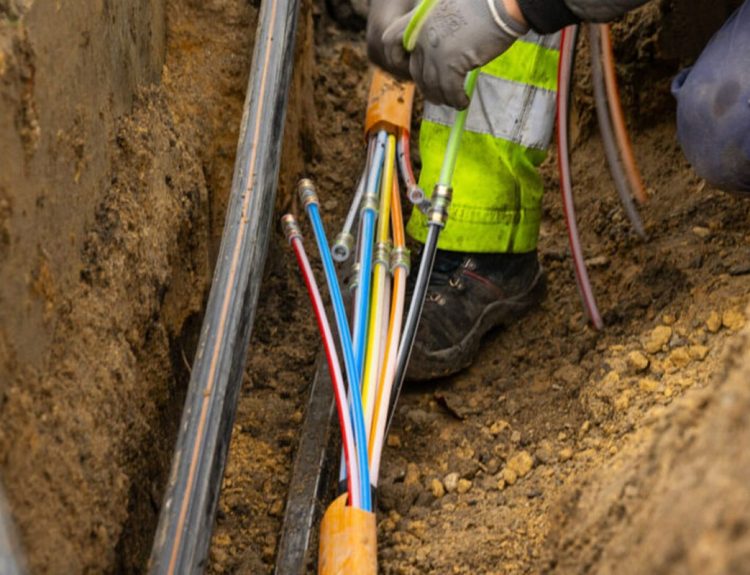
“On average, we face more than 30 fibre cuts every day. In 2024 alone, over 500 of our sites were vandalised,” he revealed. “Even when everything else is right, one damaged site or cut cable can take out service in a whole area.”
He added that the company is not only investing in new hardware but also revamping systems to cope with Nigeria’s rapidly evolving digital demands, including the explosion of connected devices and cloud services.
According to MTN, the scale of its upgrade project is vast, with phased rollouts planned based on severity of service degradation across regions. Ibrahim emphasised that Q4 2025 is when the bulk of users will begin to notice real improvements in speed, stability, and call quality.
“It’s not that we’re not doing anything now — it’s that infrastructure work takes time,” he explained. “We’re laying the groundwork today so that by late 2025, Nigerian users can finally enjoy the kind of digital experience they deserve.”
While the federal government has designated telecommunications assets as critical national infrastructure, enforcement has lagged. Ibrahim believes public education is just as important as legal action.
“You can’t rely on security alone. People must understand the value of telecoms infrastructure to daily life and the economy,” he said. “Once that awareness exists, enforcement becomes easier and more effective.”
MTN’s message to its over 70 million subscribers is one of cautious optimism: relief is coming, but patience is required. The company says it’s building a more resilient and future-proof network — one that can support Nigeria’s growing digital ecosystem. But until then, Ibrahim’s message is clear:
“We’re not there yet — but we’re getting there.”