

Cancer, a leading cause of death worldwide, affects millions of people globally. While a cancer diagnosis can be devastating, advances in medical science and technology have made it possible to manage the disease effectively. With a comprehensive approach to treatment and care, individuals with cancer can lead active and fulfilling lives.
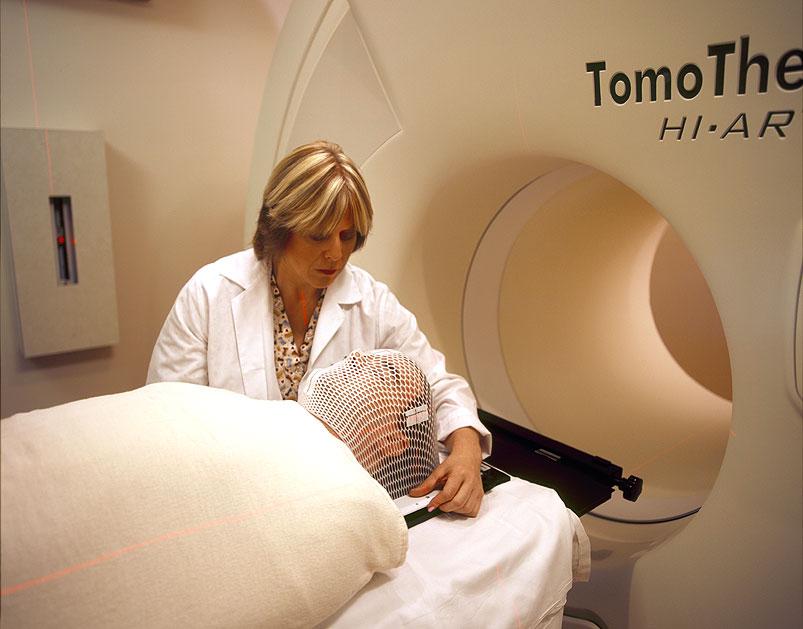
According to medical experts, cancer management involves a multi-disciplinary approach that incorporates various treatment options, lifestyle modifications, and emotional support. Treatment options for cancer include surgery, chemotherapy, radiation therapy, and immunotherapy. The choice of treatment depends on the type and stage of cancer, as well as the individual’s overall health.
Surgery is often the primary treatment for cancer, aiming to remove the tumor and affected tissue. Chemotherapy and radiation therapy are used to kill cancer cells that have spread to other parts of the body. Immunotherapy, a relatively new approach, harnesses the power of the immune system to fight cancer.
In addition to treatment, lifestyle modifications play a crucial role in cancer management. A healthy diet, rich in fruits, vegetables, and whole grains, can help alleviate symptoms and support treatment. Regular exercise, such as walking or yoga, can improve physical and emotional well-being. Quitting smoking and limiting alcohol consumption are also essential for cancer management.
Emotional support is equally important for individuals with cancer. A strong support network of family, friends, and healthcare professionals can help alleviate anxiety, depression, and stress. Counseling and therapy can also provide emotional support and guidance throughout the cancer journey.
By adopting a comprehensive approach to cancer management, individuals can effectively manage their condition, alleviate symptoms, and improve their quality of life. As medical experts emphasize, cancer management requires a long-term commitment to treatment, lifestyle modifications, and emotional support.