
By: Obanla Ridwan Olawale
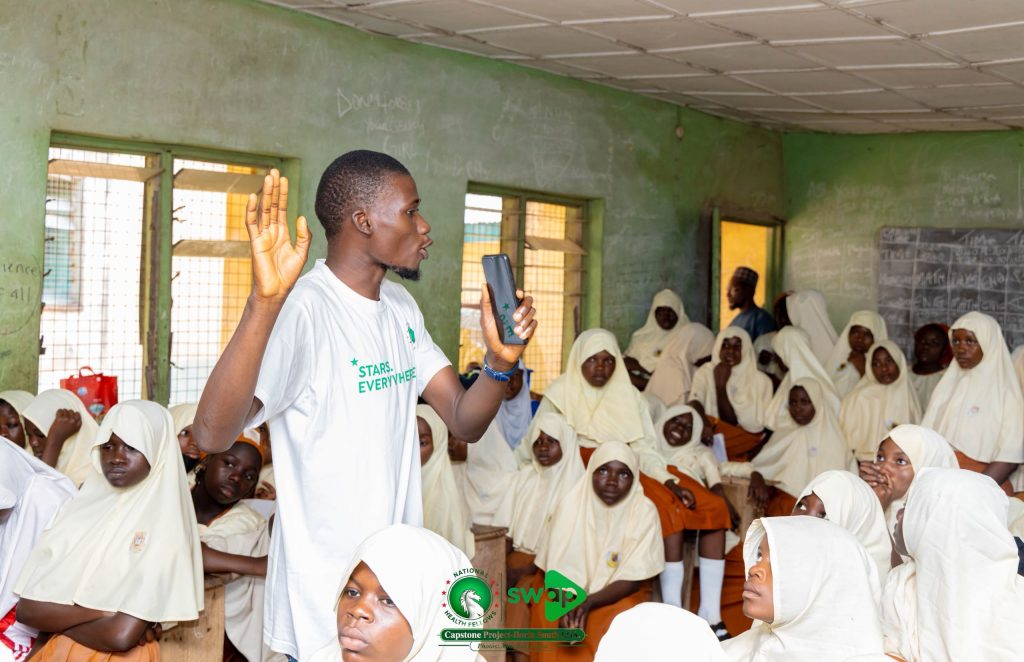
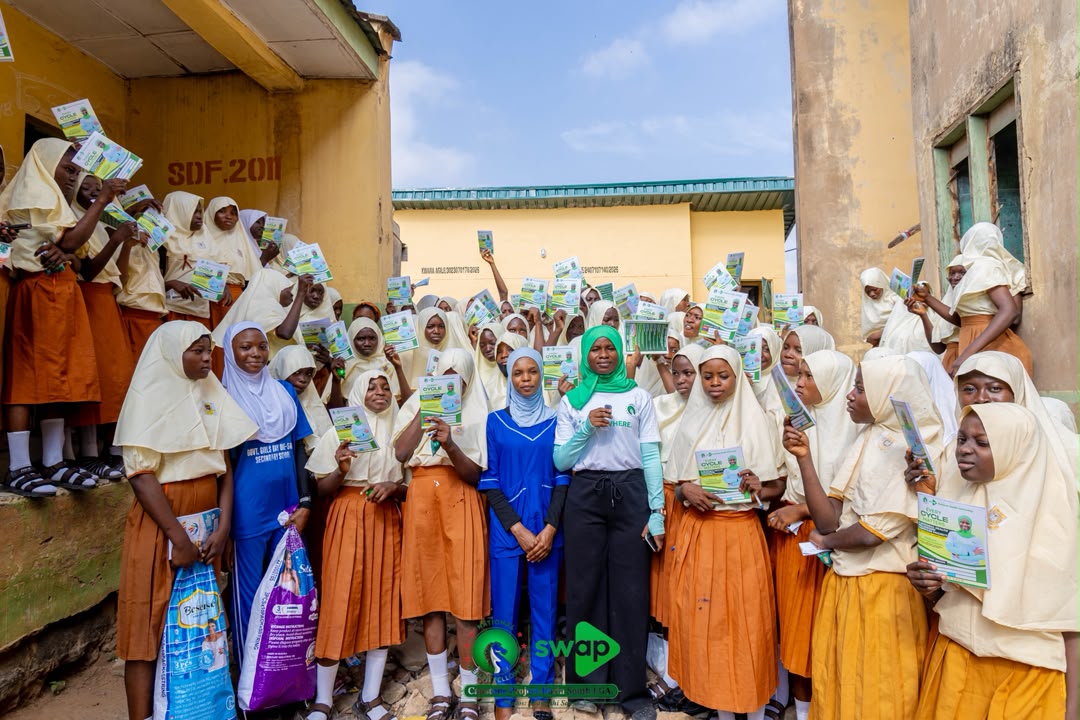
A health awareness initiative led by Shukurat Temitope Ibrahim, a Health Ambassador and National Health Fellow representing Ilorin South Local Government Area of Kwara State, has reached 100 female students of Government Girls Day Secondary School Oke Sunna through her capstone project, Every Cycle Matters.
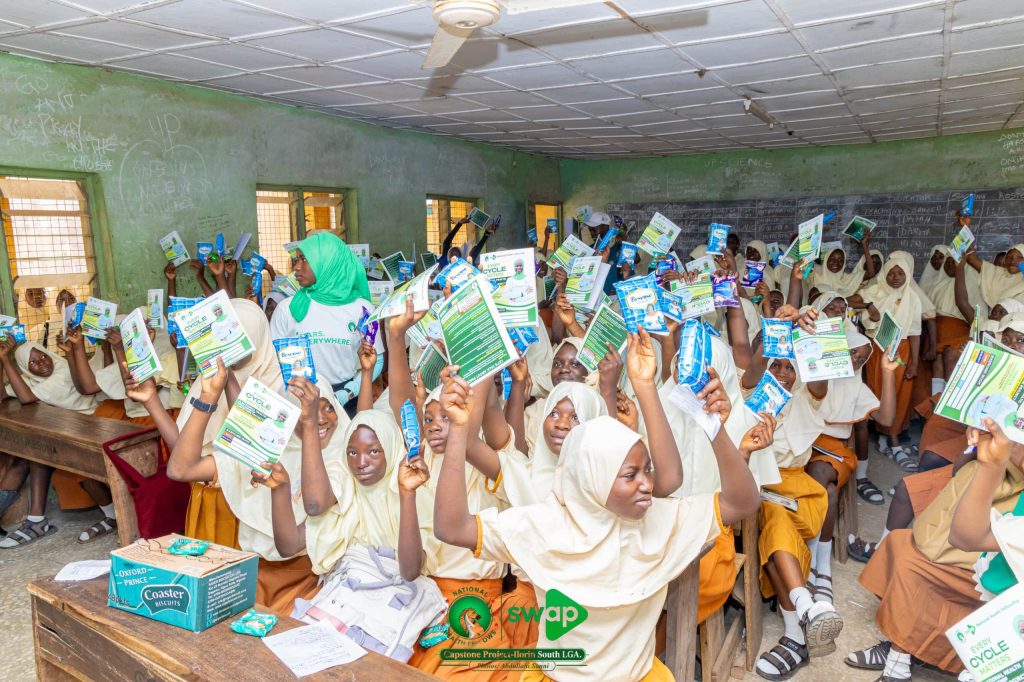
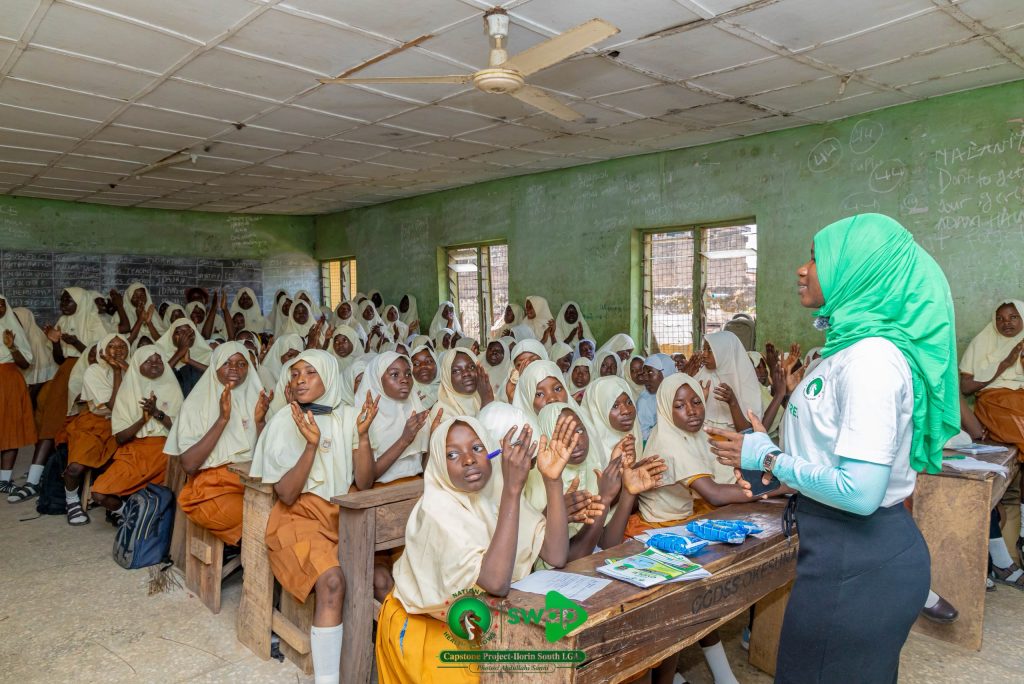
The programme, held on Wednesday, November 4, 2026, focused on menstrual health education and awareness of Polyendocrine Metabolic Ovarian Syndrome (PMOS), formerly known as Polycystic Ovary Syndrome (PCOS).
The initiative was designed to help adolescent girls understand their bodies, learn about their menstrual cycles and ovulation, recognise possible signs of PMOS and understand when to seek professional medical attention.
The session was facilitated by Nurse Zainab Usman, who guided the students through important aspects of menstrual health and PMOS awareness. The engagement also provided an opportunity for the girls to learn, ask questions and gain better understanding of health issues that are not always openly discussed among young people.
As part of the intervention, the 100 beneficiaries received sanitary pads and educational exercise books to support their learning. The exercise books were designed to go beyond their regular academic use by providing students with useful information on menstrual health and PMOS, giving them something they could continue to learn from even after the programme.
The project also received the support of Ismail Oyewole, a fellow National Health Fellow representing Irepodun Local Government Area, who was present at the event.
The school’s Principal, Mrs Yusuf Salihu Saadat, expressed her happiness with the programme and appreciated the project team for considering the school worthy of the intervention. Her positive response reflected the importance of bringing relevant health education and support directly to students.
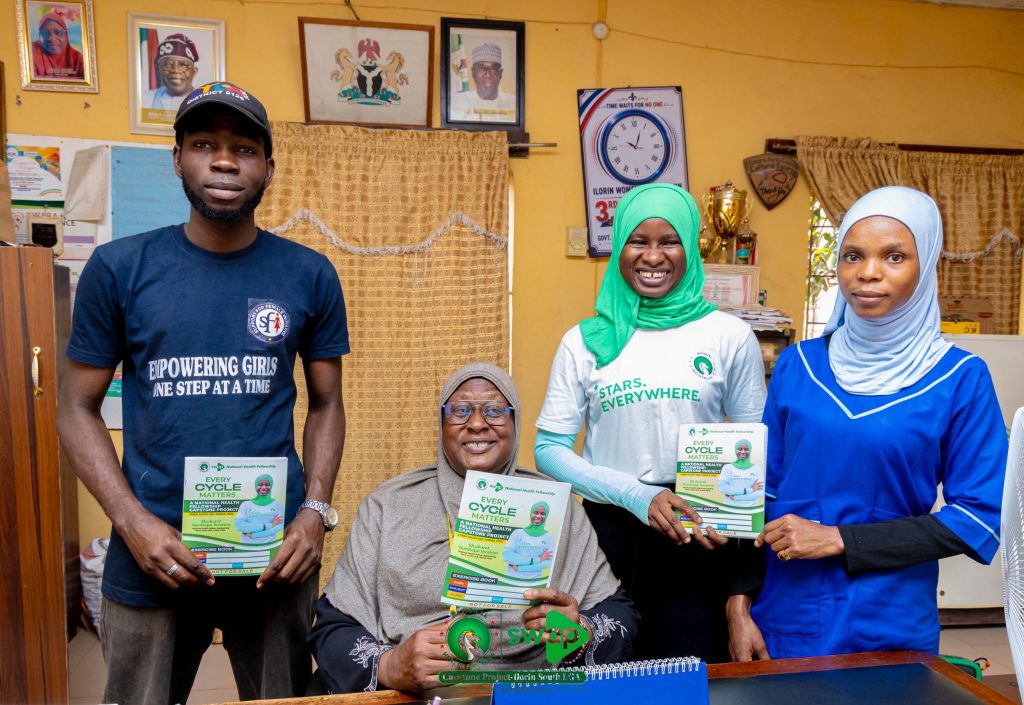
For Shukurat, the successful execution of Every Cycle Matters represents the fulfilment of an idea built around a concern that affects many adolescent girls. By taking the conversation into the school environment and providing both education and practical menstrual support, she has demonstrated a commitment to making health information more accessible to young people.
Her effort deserves recognition, particularly for identifying an important gap in adolescent health education and taking practical steps to address it. The project goes beyond a one-day awareness session; it gives students information and learning materials they can continue to refer to as they grow.
Reaching 100 girls at Government Girls Day Secondary School marks an important achievement for the initiative and a meaningful contribution to menstrual health awareness in Ilorin South.
At its heart, Every Cycle Matters carries a message that every young girl deserves to hear: understanding your body is an important part of taking care of your health.
Every cycle matters. Every girl deserves to know.