
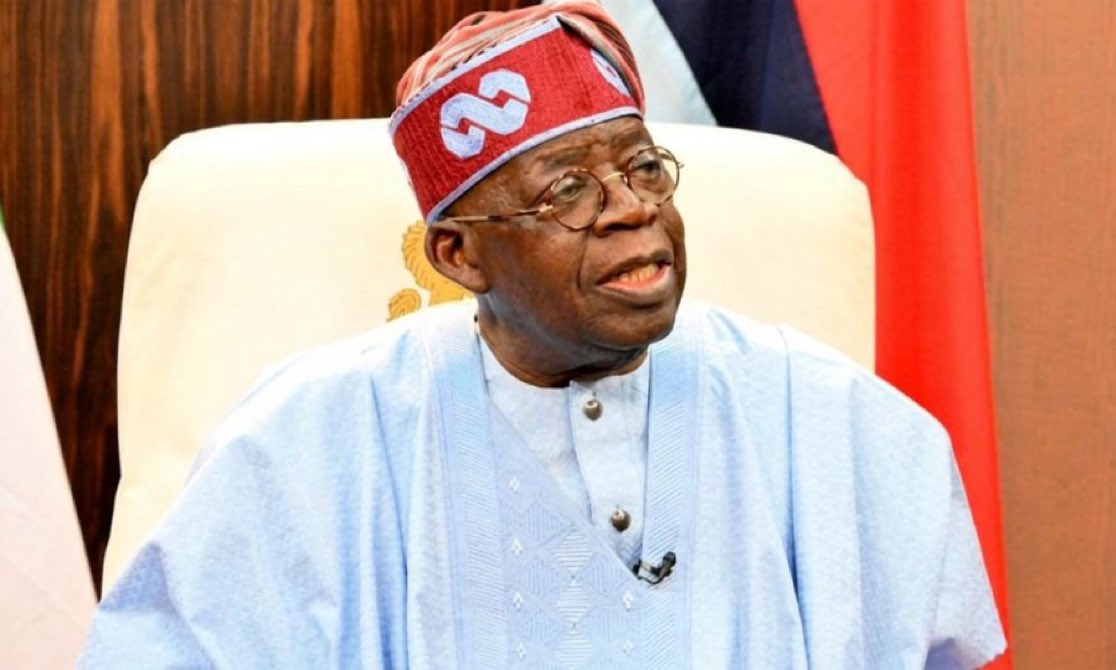
President Bola Tinubu has defended his administration’s economic reforms, saying they are restoring investor confidence and laying the foundation for sustainable growth in Nigeria. He made the remarks on Monday, October 26, 2026, through Vice President Kashim Shettima at the opening of the 32nd Nigerian Economic Summit in Abuja.
The summit, themed “Growth That Works: Delivering Jobs, Productivity and Shared Prosperity,” brought together government officials and private-sector stakeholders to discuss Nigeria’s economic future.
Tinubu said his administration had begun a difficult economic reset to address longstanding structural problems and improve the country’s growth prospects. “But there is no shortcut to economic growth. This is why we began with a difficult reset,” he said.
According to the President, economic recovery must improve livelihoods and create opportunities for young jobseekers, farmers, manufacturers, entrepreneurs and innovators. He argued that Nigeria must first stabilise its economy and create conditions that allow public and private businesses to invest, expand and generate productive employment.
Tinubu cited recent economic figures as evidence of progress. According to the National Bureau of Statistics, Nigeria’s inflation-adjusted gross domestic product grew by 3.89 per cent in the first quarter of 2026, compared with 3.13 per cent in the corresponding period of 2025.
Non-oil activities accounted for 96.08 per cent of GDP during the quarter, while manufacturing grew by 3.29 per cent and the oil sector expanded by 2.57 per cent.
Capital importation reached $10.37 billion in the first quarter of 2026, representing an 83.83 per cent increase compared with the same period in 2025. The figure covered portfolio investments and foreign direct investment.
However, Tinubu said economic statistics must translate into tangible improvements in people’s lives. He stressed the need for more jobs, higher productivity and better living standards, adding that infrastructure, education, industrial policies and investment incentives should be assessed by their contributions to economic activity.
On agriculture, the President said his administration was working to connect farms with storage facilities, processing centres and markets while expanding irrigation, mechanisation, financing and rural infrastructure.
He also highlighted plans to move the solid minerals sector beyond raw material extraction towards domestic processing, industrial production and exports. Tax reforms, he said, are intended to create a modern and equitable system that supports development while providing businesses with greater certainty.
Tinubu further pointed to electricity market reforms aimed at improving power supply and attracting investment across generation, transmission, distribution and alternative energy.
Despite the reported progress, the President acknowledged that more work was required to ensure economic growth delivers meaningful benefits. He also commended young Nigerians for their achievements in technology, financial services and the creative industries.
United Nations Deputy Secretary-General Amina Mohammed welcomed the reform efforts while urging the government to consolidate the gains and manage public expectations carefully.
Finance Minister Taiwo Oyedele presented a draft Nigerian Economic Policy Framework at the summit, describing it as a guide for national decision-making and measuring economic progress. He invited the Nigerian Economic Summit Group and private-sector experts to examine and critique the proposal.
Meanwhile, BUA Group Chairman Abdulsamad Rabiu welcomed improved access to foreign exchange, saying it had created a more predictable operating environment for businesses after years of uncertainty.
The summit comes as Nigerians continue to contend with the effects of fuel subsidy removal and exchange-rate adjustments introduced under Tinubu’s administration. The government maintains that the reforms are beginning to produce measurable results, while the challenge remains to ensure economic growth creates jobs and improves living conditions.