
Nigeria’s opposition parties face challenges in their efforts to unite against President Bola Tinubu ahead of the 2027 presidential election, as competing ambitions threaten plans for a common front.
The Coalition for Democracy, made up of six opposition parties and factions, will hold its second summit on 30 November in Abuja to sign an agreement on political cooperation, democratic renewal and electoral integrity. It is coordinated by ADC chieftain Salihu Lukman. Its members are the ADC, the APM, the NDC, a faction of the PDP, the PRP and the SDP.
The parties have separate presidential candidates. They include Atiku Abubakar for the ADC, Seyi Makinde for the APM, Peter Obi and Rabiu Kwankwaso for the NDC, and Sandy Onor for the PDP.
The disagreement became clear after groups that had backed Atiku endorsed the Obi-Kwankwaso ticket on 21 November.
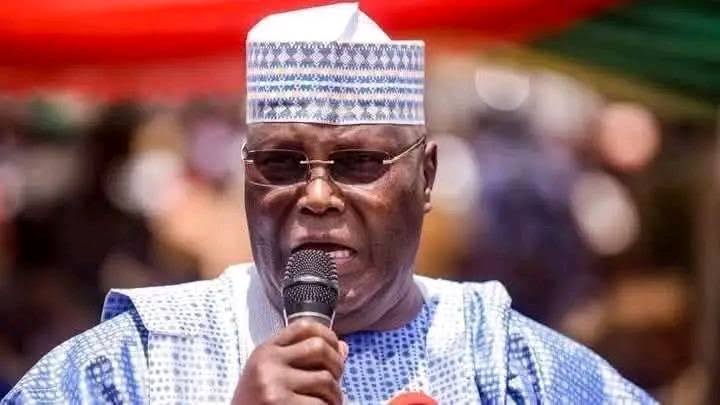
Atiku has dismissed reports that he has withdrawn from the race. Speaking through his Director of Strategic Communication, Phrank Shaibu, he said: “I do not need anyone to step down for me, and I am stepping down for no one.” ADC spokesperson Bolaji Abdullahi also denied reports of Atiku’s withdrawal, and said official developments would be communicated through authorised channels.
Atiku’s candidacy faces uncertainty after a court judgment invalidated the David Mark-led ADC leadership. The party’s lawyer, Kalu Kalu, argued that the judgment did not invalidate his candidacy. Shaibu confirmed that Atiku has filed a 17-ground appeal. “We are still on it, and we challenged the justification of the earlier orders at the appellate court,” he said. He said the court would determine whether the disputed evidence was properly assessed and whether the orders against the party could stand in law.
With Atiku, Obi and Makinde keeping their ambitions, the opposition faces the challenge of agreeing on a common candidate ahead of 2027.