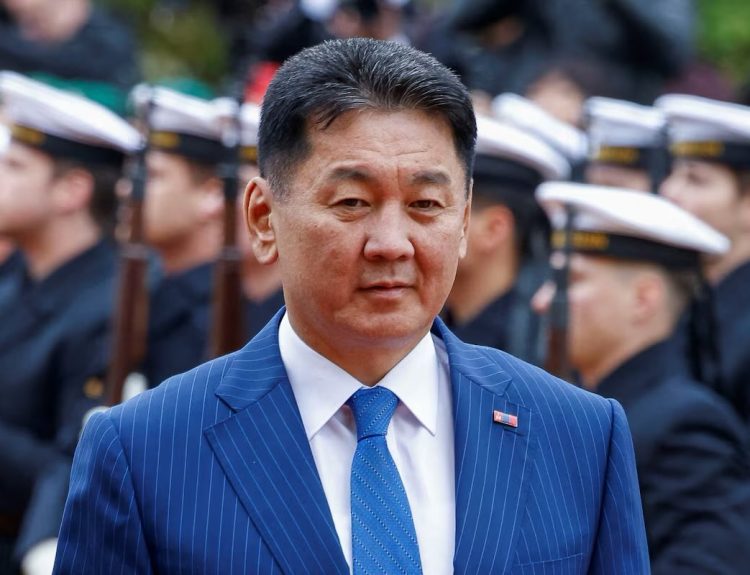

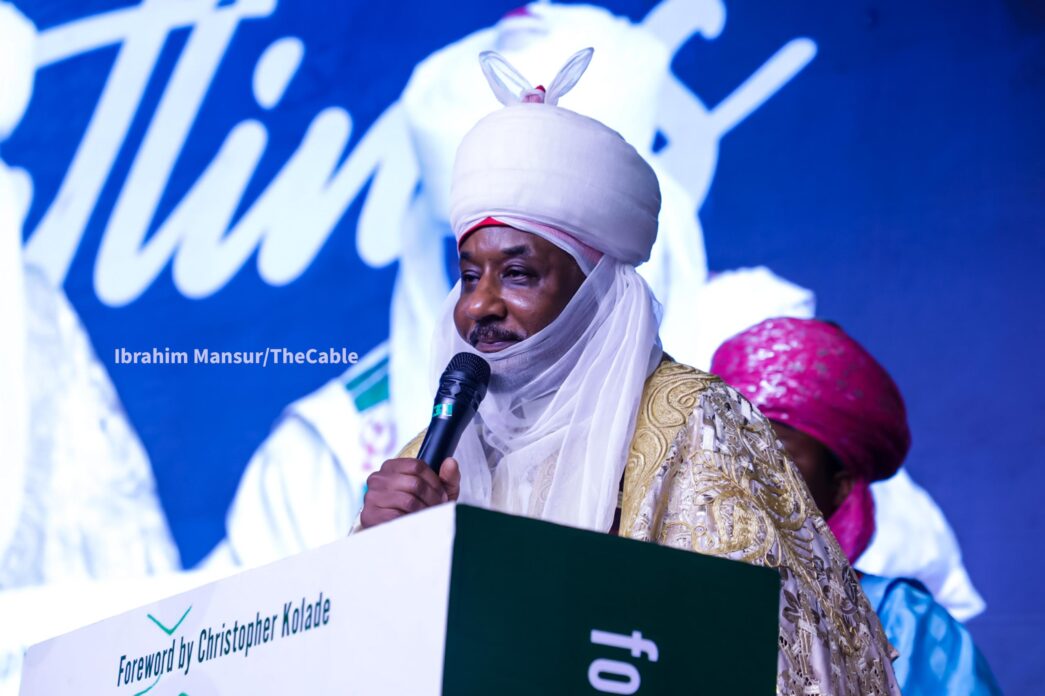
The Emir of Kano, Muhammadu Sanusi II, has praised President Bola Tinubu’s administration for what he described as progress in Nigeria’s economy, saying the government has helped bring the country “back from the brink” despite persistent challenges.
Sanusi spoke on Tuesday at the Oxford Global Think Tank conference convened by former Finance Minister Arunma Oteh, where he cited economic growth, declining inflation, increased foreign reserves and efforts to diversify exports as signs of improvement.
“I’m not a fan of politicians, but we need to give credit to President Tinubu’s administration for bringing us back from the brink,” he said.
The former Central Bank of Nigeria governor said the economy grew by 4.48 per cent in the second quarter of 2026, compared with an average growth rate of 0.9 per cent during the administration of former President Muhammadu Buhari.
“Today it’s at 4.5 percent. That’s progress,” Sanusi said.
He also stated that inflation had declined from about 30 per cent to 14.6 per cent and was projected to fall further to 12.5 per cent by the end of the year.
According to him, Nigeria’s dollar-measured GDP per capita had increased by 47 per cent since 2023. He said sustained growth could return the country’s GDP per capita to its 2005 level by the end of 2027.
“If we continue at this rate, by the end of next year, GDP per capita will be back to where it was in 2005,” he said.
Sanusi further disclosed that Nigeria’s foreign reserves stood at $55 billion but cautioned that a significant portion of the inflows was driven by foreign portfolio investments, which can be volatile.
On export diversification, he said the Dangote Refinery accounted for 20 per cent of Nigeria’s exports, describing the development as evidence of progress in the country’s efforts to expand its non-crude oil export base.
“There are clearly foundations being laid for stability. It’s not the end, but the first step towards stability,” he added.
Despite his positive assessment of some economic indicators, the emir criticised the Tinubu administration’s communication strategy, arguing that the government often treats suggestions and criticism as attacks.
“This government doesn’t express itself properly. It sees every suggestion and contribution it does not like as an attack, and it doesn’t have good spokespersons,” Sanusi said.
His remarks highlighted both the economic gains he attributed to the administration and concerns about how the government communicates its policies and responds to public criticism.