
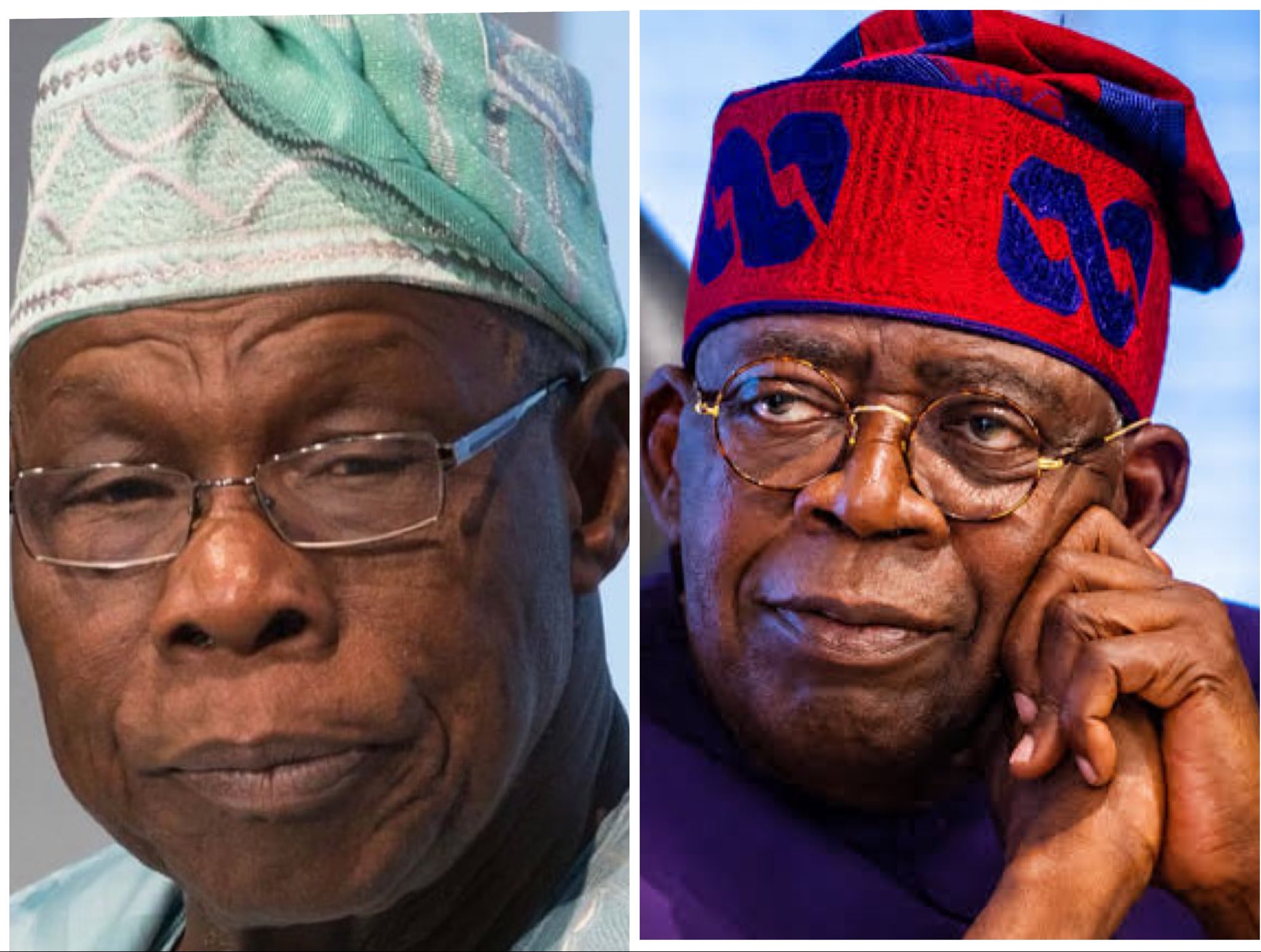
Former President Olusegun Obasanjo has criticised President Bola Tinubu’s handling of the removal of the fuel subsidy, saying the administration announced the policy without adequate measures to protect ordinary Nigerians from the resulting economic shock.
Speaking in an interview on News Central Television, Obasanjo said a prepared leader anticipates the consequences of major decisions, builds buffers in advance and phases the impact so citizens do not absorb the full burden at once. He said the Tinubu government took a different path, with a slogan first, followed by a scramble for relief.
“A serious leader studies the shock before he acts. He stocks buffers. He phases the pain so that ordinary people do not suffer at once,” Obasanjo said. He added: “A prepared president does not announce ‘Subsidy is gone’ on day one and invent palliatives months later.”
Tinubu declared the end of the petrol subsidy in his inauguration address on 29 May 2023. The decision was followed by a sustained rise in fuel prices, which fed into higher transport costs, food prices and living expenses for households across the country. The government later introduced various palliative measures, though critics have long maintained that these came after the hardship had already set in.
Obasanjo linked the continuing pressure on markets and household budgets to what he described as inadequate planning before the reform. He also questioned the administration’s three-point agenda, asking who designed it and what it was meant to achieve. He said the hardship Nigerians have experienced since 2023 shows the risks of a leader entering office without sufficient preparation.
The former president urged citizens to reflect carefully before the 2027 general elections. He said the country’s future depends on the choices voters make, and that leadership should be judged by planning, preparation and the protection of people rather than by slogans.