
The Federal Government has set a target of generating 70,000 megawatts of electricity by 2060, despite Nigeria’s current struggle to consistently generate 5,000MW, as it plans to meet future demand from households, industries and data centres.
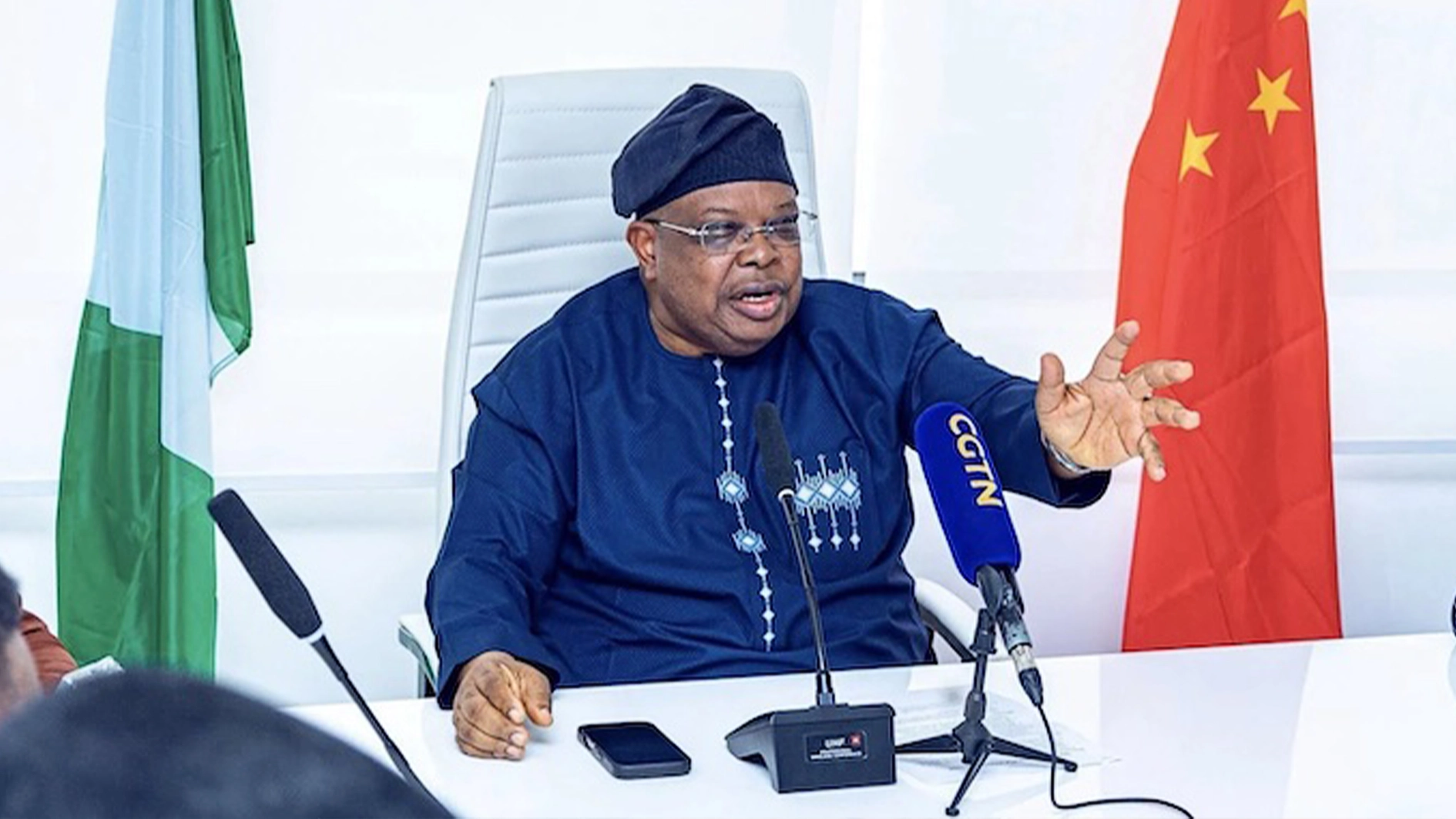
Minister of Power Joseph Tegbe disclosed this on Tuesday at the 13th Nigeria Energy Leadership Summit in Lagos, where he outlined plans to strengthen the national grid, improve electricity supply and expand generation capacity.
Tegbe acknowledged the gap between the government’s ambition and current output, noting that Nigeria has more than 13,000MW of installed generation capacity but often generates below 5,000MW.
“Our plan still remains that by 2060, we’re looking at 70 gigawatts for Nigeria. People will ask me question: ‘You’re struggling with 5GW; you’re struggling with 4GW, yet you have an ambition to reach 70GW,’” he said.
He argued that Nigeria must prepare for rising electricity demand, particularly as artificial intelligence and data centres increase global power consumption.
“The US today has a gap of 357GW just due to AI and data centres alone, not population expansion. Nigeria will not be left behind,” Tegbe added.
The minister said the government would pursue an East-West Grid programme to strengthen electricity transmission infrastructure and develop small hydropower projects as part of efforts to expand supply.
According to him, 21 dams along the Sokoto–Badagry Expressway have been identified for possible conversion into hydroelectric projects.
“It will interest you that 21 dams were discovered along the Sokoto–Badagry Express Road, and the President said we should fix and sort out those dams and ensure that those dams actually result into proper hydro projects,” he said.
Tegbe also said the government would pursue the Mambilla hydropower project alongside smaller schemes intended to support agricultural corridors, processing clusters and communities.
Nigeria’s ability to meet the 2060 target will depend on expanding generation, improving transmission infrastructure and addressing the persistent gap between installed capacity and the electricity actually produced and delivered to consumers.