
The federal government has officially commenced cashless tolling on the newly rehabilitated 227.2km Abuja-Keffi-Akwanga-Makurdi Road under the Highway Development and Management Initiative (HDMI).
Motorists will now pay the following tolls per trip:
– Trucks/multi-axle vehicles: N6,400 (N1,600 per toll plaza)
– SUVs/Jeeps: N4,000 (N800 per toll plaza)
– Light vehicles/minibuses: N3,200 (N1,000 per toll plaza)
– Cars: N2,000 (N500 per toll plaza)
The four toll stations are located in Keffi, Akwanga, Lafia, and Makurdi. Commercial vehicles will receive a 50% discount, while tricycles, motorcycles, security agencies, and diplomatic vehicles are exempted.
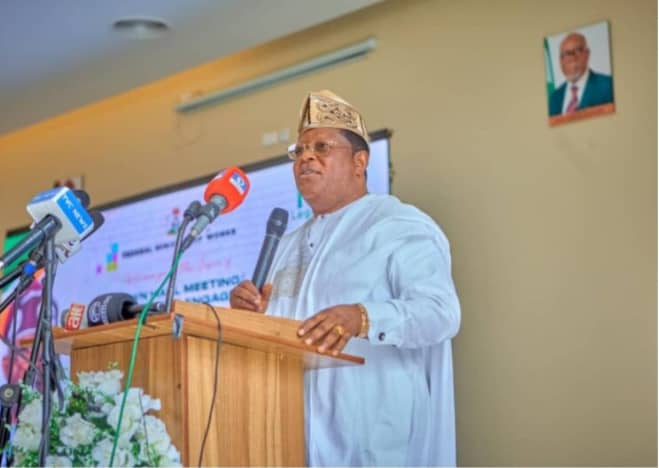
Minister of Works, Engr. David Umahi, emphasized the road’s strategic importance for trade, mobility, and national security. He noted that the federal government rehabilitated the road through a loan from the China Exim Bank, with toll revenue designated for loan repayment.
The tolling concession, executed under the previous administration in 2023, granted a 25-year operation agreement to Messrs China Harbour Operations and Maintenance Company Limited in partnership with Messrs Katamaran Nigeria Limited under the HDMI Phase I.
The Abuja-Makurdi corridor is the first of nine roads under the HDMI Phase I to be tolled. The government plans to launch similar projects across Nigeria’s six geopolitical zones.
Nasarawa State Governor Abdullahi Sule, represented by Deputy Dr. Emmanuel Akabe, urged public awareness efforts to ensure acceptance of the tolling system. He highlighted potential economic benefits, including job creation, improved road safety, and business opportunities at toll plazas.
Dr. Jobson Ewalefoh, Director-General of the Infrastructure Concession Regulatory Commission (ICRC), reaffirmed that the project aligns with national infrastructure goals. He called on Nigerians to support the initiative, with more Public-Private Partnership (PPP) projects in development.
The initiative aims to enhance road maintenance, ease mobility, boost economic growth, and ensure the sustainability of Nigeria’s transport infrastructure.