
The Federal Government has approved a monthly transport support of N70,000 for public service workers across all levels for six months, beginning in November 2026. The intervention is intended to ease the financial pressure on workers amid rising living costs.
The agreement was reached on Tuesday during a conciliation meeting between government representatives and the leadership of the Nigeria Labour Congress (NLC) in Abuja. The meeting, convened by the Federal Ministry of Labour and Employment, followed earlier discussions held on October 22 over workers’ welfare, the cost of living and outstanding agreements.
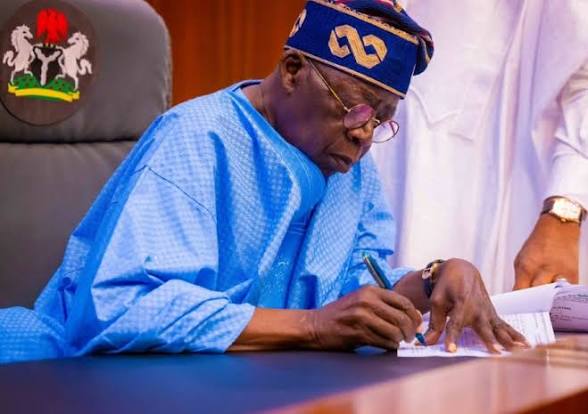
A document containing the resolutions stated that the N70,000 transport intervention would run for six months from November. The agreement was signed by the Minister of Labour and Employment, Dr Muhammad Maigari Dingyadi, NLC President Joe Ajaero, Director-General of the Budget Office of the Federation Tanimu Yakubu and other senior officials.
The meeting also addressed outstanding allowances and other demands by organised labour. The government agreed to pay peculiar allowance arrears, approved with effect from May 1, 2026, in three equal monthly instalments beginning in November.
It also committed to settling 19 months of outstanding arrears owed to health workers within three months from December 2026.
On minimum wage negotiations, both parties agreed to immediately constitute the Minimum Wage Negotiation Committee and begin meetings. However, they did not reach an agreement on the effective date for a new national minimum wage.
Labour’s demands for tax relief were referred to the National Economic Council for further consideration.
The agreements follow sustained pressure from organised labour over the rising cost of transportation, food and other basic necessities affecting Nigerian workers. The Federal Government and the NLC have also urged state and local governments to consider similar interventions to support their employees.
However, further clarification is expected on the precise disbursement arrangements for the transport support and how the agreed measures will be implemented across the different levels of the public service.