
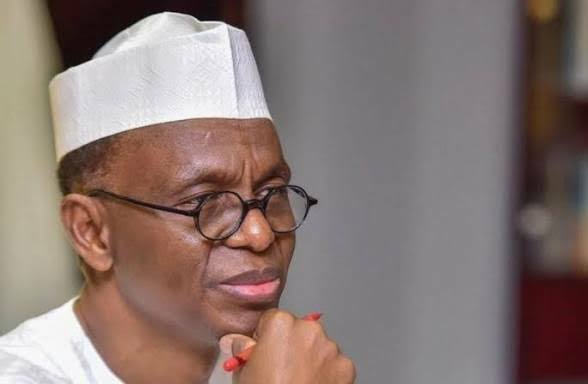
A Federal High Court in Abuja has dismissed former Kaduna State Governor Nasir El-Rufai’s no-case submission and ordered him to open his defence in the trial over the alleged unlawful interception of National Security Adviser Nuhu Ribadu’s phone communications. Justice Joyce Abdulmalik delivered the ruling on Monday, October 26, 2026, and adjourned the case until November 25 for the defence to begin.
The court held that the evidence presented by the Department of State Services (DSS) was sufficient to require El-Rufai to respond to the allegations against him. The ruling does not amount to a conviction, as the trial will continue with the defence given an opportunity to present its case.
The charges followed comments El-Rufai made during an appearance on Arise Television’s Prime Time programme on February 13, 2026. During the interview, he said someone had intercepted Ribadu’s phone communications, allowing him and others to hear a conversation in which the NSA allegedly directed security operatives to arrest him.
El-Rufai acknowledged during the interview that intercepting communications without lawful authorisation was illegal, while alleging that government agencies routinely monitored calls without court orders. He also said someone had passed the information about Ribadu’s conversation to him.
The DSS subsequently filed charges under the Cybercrimes (Prohibition, Prevention, etc.) Amendment Act 2024 and the Nigerian Communications Act 2003. The amended five-count charge centres on the alleged unlawful interception of communications, failure to report those involved and the alleged use of technical means that compromised public safety and national security.
El-Rufai pleaded not guilty when he was arraigned. In May 2026, the court granted him bail of ₦100 million, subject to conditions that included providing sureties, surrendering his passport and reporting periodically as directed.
The prosecution closed its case after calling two witnesses, including a DSS operative and human rights lawyer Deji Adeyanju. The court also heard the recording of El-Rufai’s televised interview as part of the evidence presented.
Adeyanju testified that he heard El-Rufai discuss listening to Ribadu’s conversations but clarified under cross-examination that he did not hear the former governor explicitly claim that he had personally hacked the NSA’s phone.
Ribadu reportedly confirmed to investigators that a relevant conversation involving the chairman of the Independent Corrupt Practices and Other Related Offences Commission had taken place.
Following the prosecution’s presentation, El-Rufai’s lawyer, Paul Erokoro (SAN), urged the court to discharge and acquit his client, arguing that the evidence did not establish a prima facie case requiring him to enter a defence.
However, DSS counsel Oluwole Aladedoye (SAN) maintained that the interview recording and other exhibits provided sufficient grounds for the case to proceed. Justice Abdulmalik accepted the prosecution’s position and dismissed the no-case submission.
The ruling means El-Rufai must now respond to the allegations in court. It does not establish that he committed the alleged offences, and the prosecution will still have to prove its case to the required legal standard.
The trial has drawn attention to questions surrounding the interception of private communications, the handling of intelligence and the application of Nigeria’s cybercrime laws. Proceedings are scheduled to resume on November 25, 2026, when the defence stage is expected to begin.