

Nigeria and Togo have signed a memorandum of understanding (MoU) to develop two interconnected data parks, aimed at attracting private investment and global data centre operators and strengthening digital infrastructure across West Africa.
The agreement was signed on Thursday, 26 November 2026, in Lagos by Nigeria’s Minister of Communications, Innovation and Digital Economy, Dr Bosun Tijani, and Togo’s Minister of Digital Economy and Transformation, Cina Lawson. The project is to begin in the second quarter of 2027, subject to the completion of necessary preparations.
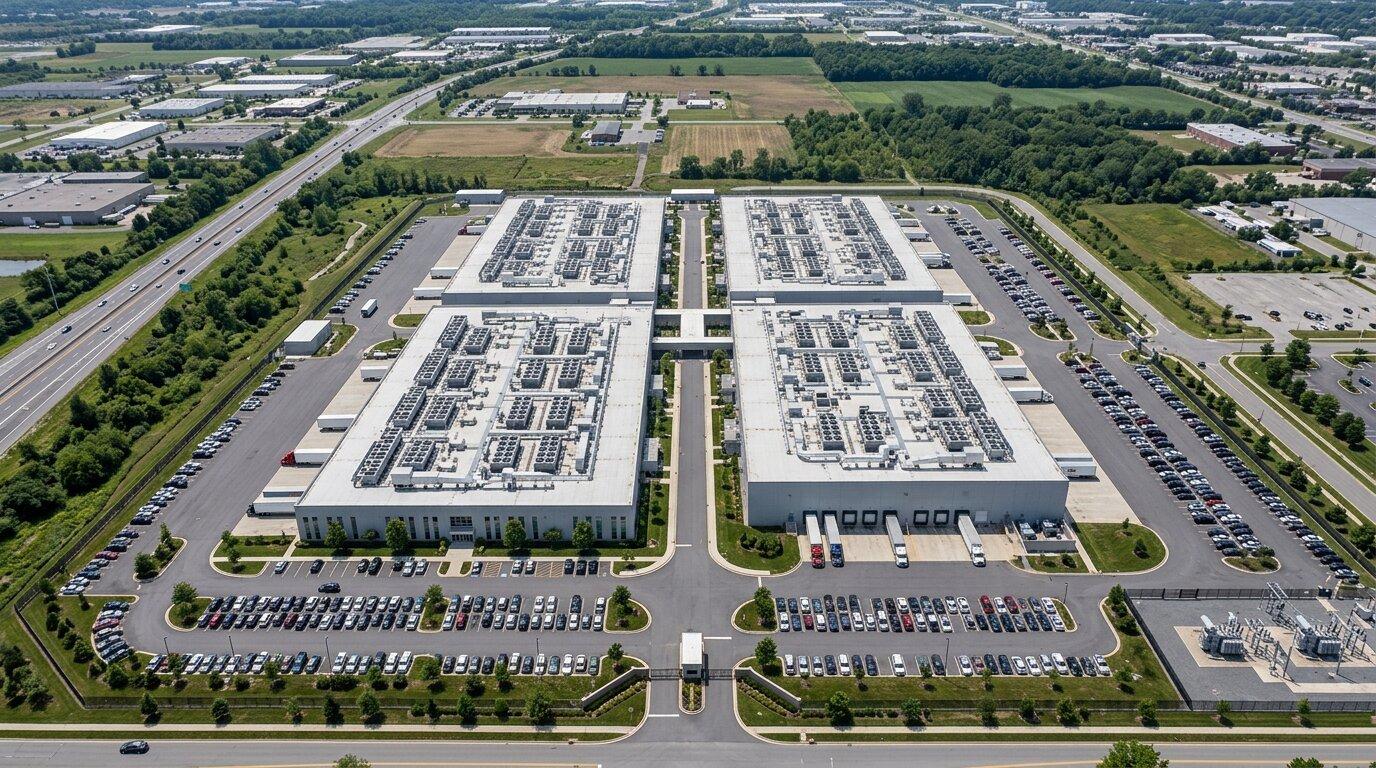
A data park is a designated area with shared infrastructure, such as reliable electricity, fibre-optic connectivity, serviced land and cooling facilities, where several companies can set up data centres. A single data centre houses servers for storing and processing digital information, while a data park provides the supporting infrastructure for multiple operators.
Under the agreement, the two countries will develop separate but interconnected facilities through a joint special purpose vehicle (SPV). Both governments will hold equity in it alongside private companies and investors. Tijani said the structure is meant to attract private capital rather than leave the governments to finance the whole development.
Lawson described the agreement as the first joint digital infrastructure project between Nigeria and Togo, and said it reflects a wider ambition to develop large-scale projects through regional cooperation. She said the partnership would help attract operators and customers from both French-speaking and English-speaking markets across West Africa. She said other West African countries would be welcome to join. She also said the two countries had discussed developing artificial intelligence data centres in future, arguing that Africa should take part in the expansion of global AI computing infrastructure.
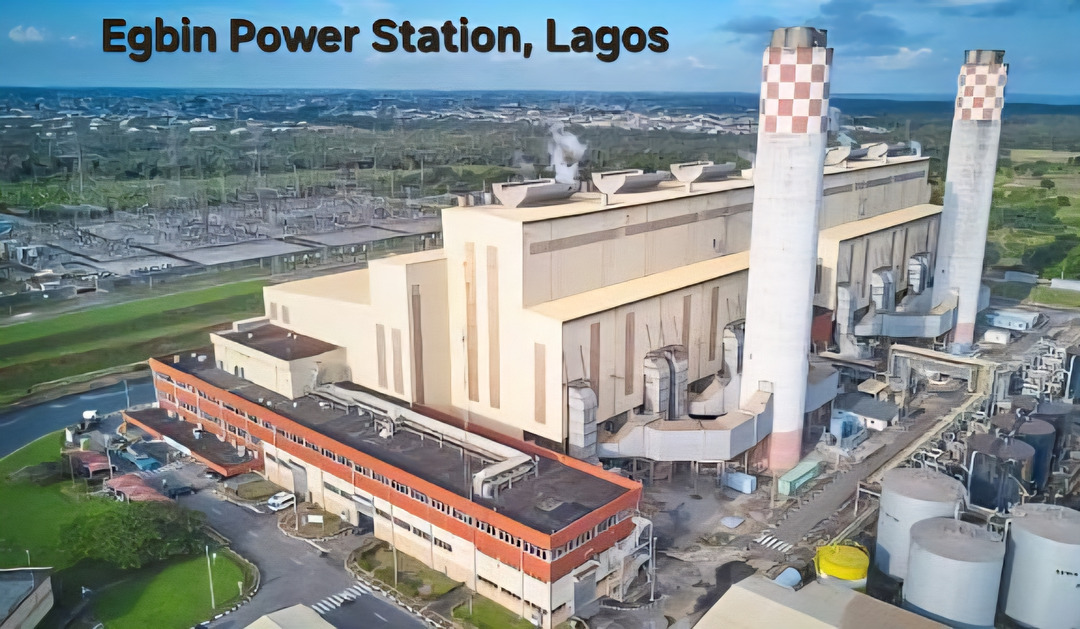
Nigeria is considering a site near Egbin Power Station in Lagos State, while Togo is assessing candidate locations. Tijani said both parks are expected to become operational at about the same time, although Togo had not yet chosen its final location. He said Egbin is attractive because of its closeness to power generation infrastructure, access to gas and water resources for cooling, and potential connectivity through fibre-optic and submarine cable networks.
The partnership comes as Nigeria seeks to expand its domestic cloud computing and data hosting capacity amid growing demand for digital services, AI and online transactions. In August 2026, the Nigerian Government unveiled its National Digital Cloud Policy, which targets $750 million within 24 months to develop the country’s cloud and data infrastructure. The policy aims to encourage domestic and international providers to invest in data centres, cloud infrastructure and AI computing capacity, and to position Nigeria as a regional hub for digital services.