
Media professionals at the maiden Journalism and Media Conference 2026 in Ilorin, Kwara State, have urged Nigerian journalists to defend professional integrity, put accuracy ahead of speed and strengthen investigative reporting. They warned that political interference, financial inducements, misinformation and the pressure for online popularity threaten public confidence in the media.
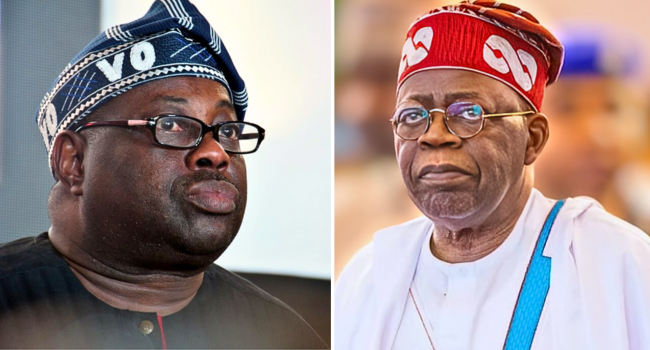
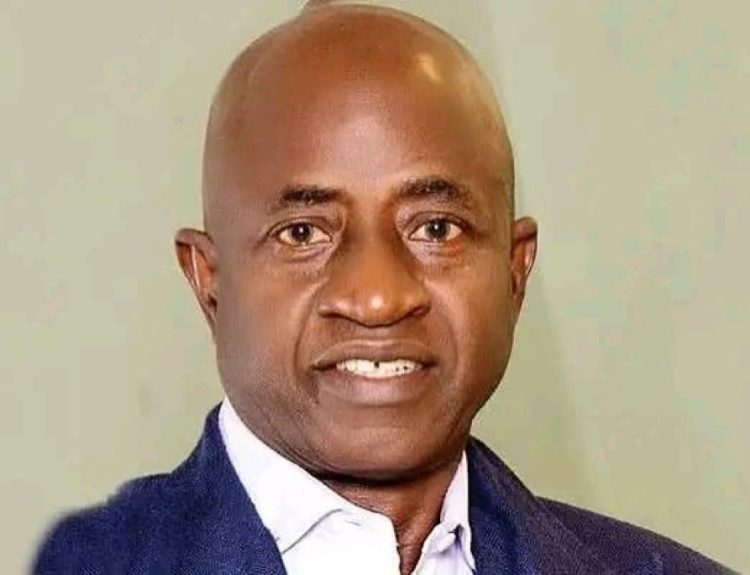
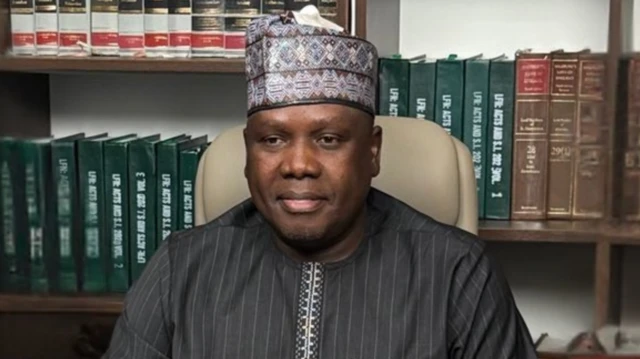
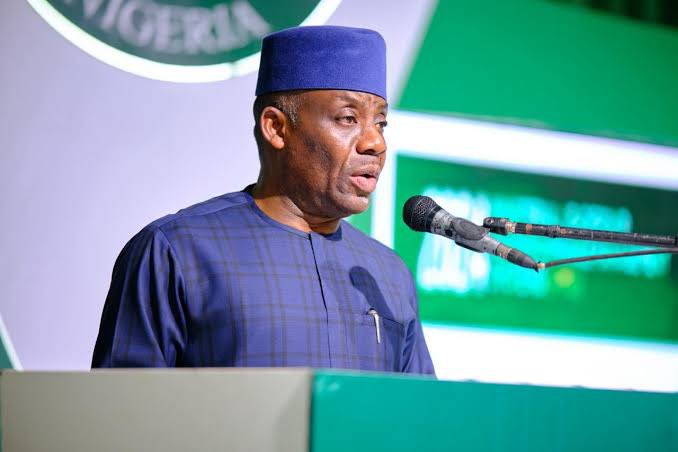
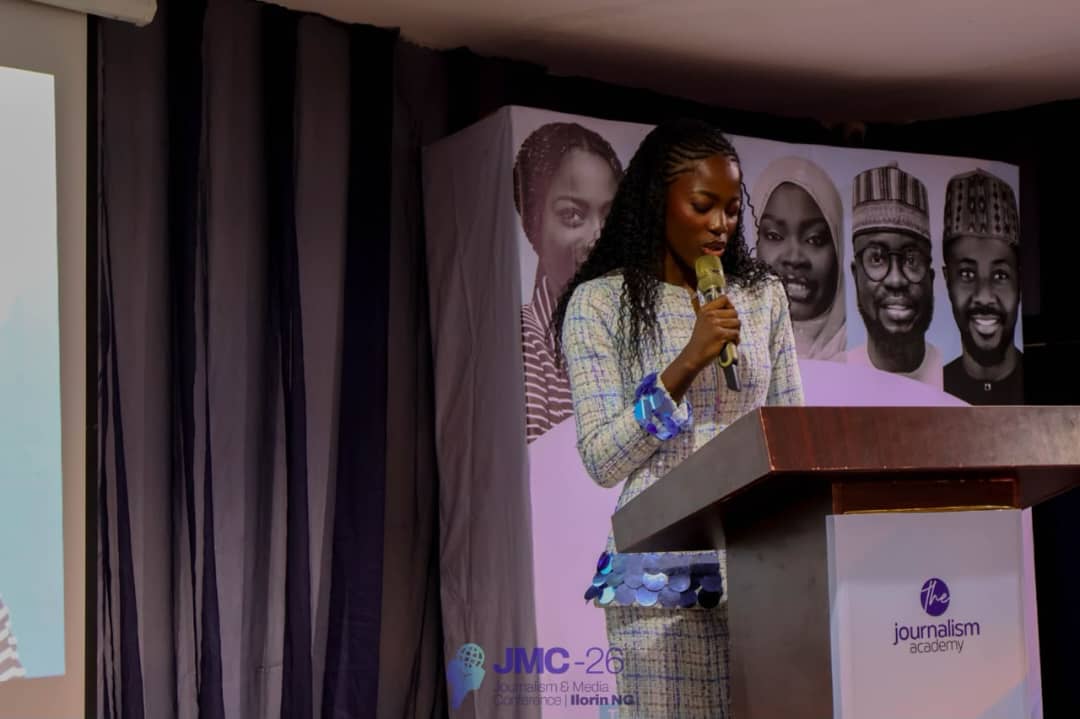
The speakers included the Founder of The Journalism Academy, Mosunmola Ajibade; the Chief Correspondent of The PUNCH, Dare Akogun; media professional Rasheedat Oladotun-Iliyas; and broadcast journalist and media entrepreneur Joseph Chidiebere Emeribe. The conference was held on Thursday, 19 November, at 12 Workspaces, Ilorin. It was organised by The Journalism Academy under the theme “The Future of Journalism: Truth vs Trends.”
In her opening address, Ajibade raised concerns over threats to journalists, intimidation, unlawful detention, political interference and brown envelopes, which she said could undermine the credibility and independence of the profession. “Journalism must remain relevant, courageous, independent, and committed to truth. It must never be silenced or compromised for personal, political, or financial interests,” she said. She also questioned whether journalism education in Nigeria adequately prepares students for newsroom realities, and called for a review of academic approaches.
Ajibade said The Journalism Academy was established on 2 March 2026 to promote practical, inclusive and relevant media education through training, mentorship, career guidance and professional development. She said it had extended its sensitisation programmes to secondary schools, including Bishop Smith Memorial College and Saint Anthony, to expose students, particularly those in the arts category, to careers in journalism. She added that the initiative would continue through webinars, training programmes and mentorship sessions.
Delivering the keynote address, Emeribe challenged journalists not to trade professional standards for social media popularity. “My central argument today is simple: the future of journalism does not require us to choose between truth and trends. It requires us to understand how to use trends without compromising the truth,” he said. He warned that competition for online attention had encouraged sensational headlines, unverified allegations and the amplification of rumours. “Use trends as a vehicle, never as a compass,” he said.
Emeribe recalled the 18 July 2024 fatal accident near the main gate of the University of Ilorin, saying conflicting reports of multiple deaths showed the danger of publishing without adequate verification. He also urged journalists to pay more attention to community issues, citing the Akerebiata Bridge collapse and flooding, and persistent electricity problems around Ilorin Technical College, including Adunbarin, Irewolede and Afenifere. “A collapsed bridge, a flooded community or a neighbourhood living without electricity may not always become a national trend. Yet, for the people affected, these are urgent realities that demand attention and accountability,” he said.
On artificial intelligence, Emeribe said it can help with transcription, translation, data analysis and content development, but that AI-generated material must not be treated as fact without independent verification. “AI can assist the journalist, but it cannot assume the journalist’s responsibility,” he said. He added that manipulated photographs, cloned voices and artificially generated videos have made verification more important. On finances, he warned that heavy dependence on politicians, government institutions and individual benefactors could weaken editorial independence. “Dependence is the quiet enemy of independence,” he said, and he advised media organisations to diversify revenue through digital publications, podcasts, newsletters, subscriptions, sponsorships, grants and partnerships.
Akogun called for stronger investigative journalism, urging reporters to go beyond reproducing official statements and breaking news, to question public spending and demand accountability. He said journalists must check whether budget allocations and contract awards result in completed projects. He cited the Ilesha Baruba-Gwanara road project in Kwara State, which stayed abandoned for about eight years before the present state administration completed it. “A road that exists only in a budget document is not development,” he said.
Drawing on his environmental and investigative reporting, including coverage of mining-related concerns in Bani, Kwara State, Akogun urged journalists to examine the environmental and social effects of mining and to hold operators and regulators to account. He encouraged the use of the Freedom of Information Act 2011, procurement documents, audit reports and financial records. He said AI, satellite imagery, geolocation and open-source intelligence can improve investigations, but must support, not replace, independent verification and editorial judgement.
He listed inadequate funding, restricted access to public information, political pressure, intimidation, legal threats and safety concerns as the main obstacles for investigative reporters. He called on media organisations to set up properly funded investigative desks, invest in training, strengthen newsroom safety and work with researchers, civil society groups and technical experts. He also stressed protecting confidential sources, verifying allegations, giving the subjects of investigations a chance to respond, and correcting errors openly. “Investigative journalism is not a licence to publish unverified allegations. It is a responsibility to establish facts in the public interest,” he said.
Oladotun-Iliyas presented a paper titled “Strengthening Trust in Contemporary Journalism: The Place of Fact-Checking, Public Interest Reporting, Solutions Journalism, Health Reporting and Gender.” She said competition with bloggers, influencers and social media commentators was encouraging speed at the expense of accuracy. “Speed has become a competitor to accuracy. It now matters who tells the news first. And sometimes, in our desperation to be the first, we forget that our greatest responsibility is to be right,” she said.
Reflecting on her time at ThisDay Newspapers and the Broadcasting House in Ikoyi, Lagos, she recalled editorial processes in which reports passed through reporters, proofreaders, sub-editors and news editors before publication. She said digital platforms had weakened some of these checks, with journalists relying on statements from verified social media accounts without confirming them. “A statement carrying the name and logo of a reputable organisation does not automatically become genuine. A video shared by thousands of people does not automatically become authentic,” she said.
She cited several cases of poor verification. They were the 2015 Nigerian Tribune interview falsely attributed to Professor Itse Sagay, the 2020 ThisDay report alleging that the United States Embassy had denied Bishop David Oyedepo a visa, and the April 2026 Daily Trust controversy over photographs wrongly presented as showing the aftermath of an airstrike at Jilli Market. She said such incidents damage credibility, expose journalists to legal consequences and erode public confidence. “Everybody can talk, read and write. But everybody claiming to know how to cook does not make everybody a professional caterer. Journalism is no different,” she said.
On public-interest reporting, Oladotun-Iliyas urged journalists to focus on healthcare, education, livelihoods, security, environmental protection and governance, particularly in underserved communities. She called for stronger health reporting on access to medical services, availability of medicines, staffing of health facilities and the effectiveness of government interventions. She also advocated balanced gender coverage that challenges stereotypes, and urged media organisations to practise solutions journalism. “Stories of solutions give communities ideas, encourage constructive public conversations and show policymakers what may be worth improving or replicating,” she said.
She stressed the need for continuous training in fact-checking, data journalism, digital security, investigative reporting and the responsible use of AI. She asked professional bodies, including the Nigeria Union of Journalists and the Nigerian Guild of Editors, to strengthen ethical standards and extend accountability to emerging online publishers and content creators. “We cannot afford to forgo accuracy for speed, truth for trends or our professional ethics for clicks and engagement,” she said, and quoted Nobel Peace Prize laureate Maria Ressa: “Without facts you cannot have truth, without truth you cannot have trust.”
The speakers said the future of Nigerian journalism depends on practitioners adopting new technology without giving up professional ethics, editorial independence and their duty to the public. They also called on media organisations to invest in journalists, build investigative capacity, promote responsible reporting and protect practitioners from intimidation and undue influence.
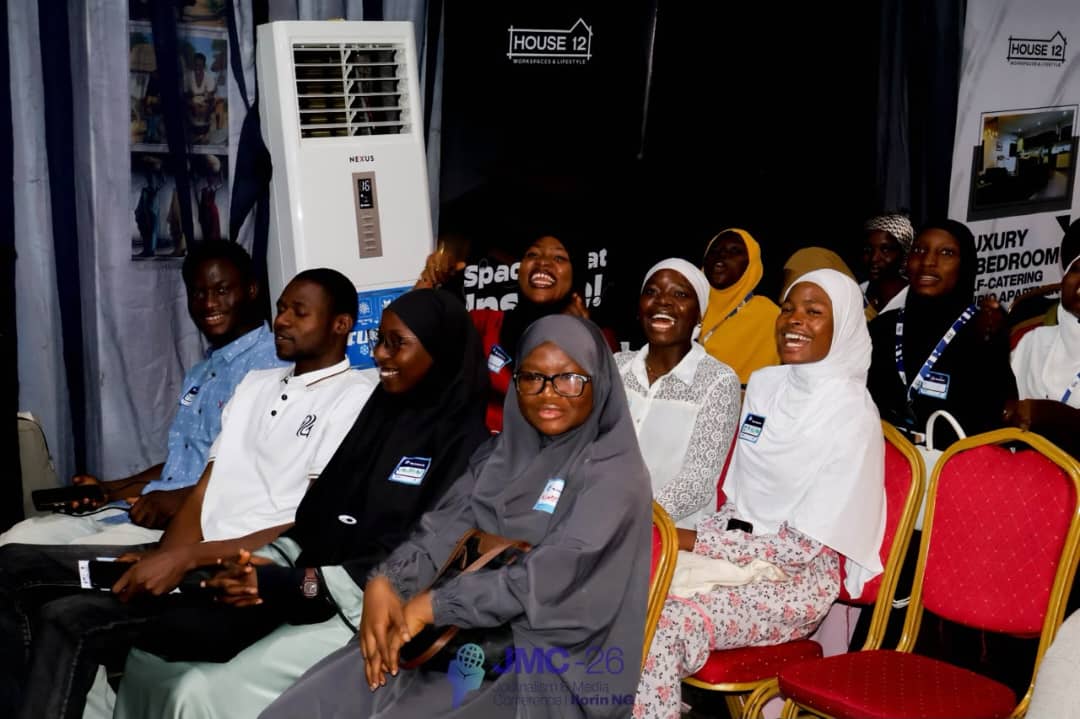
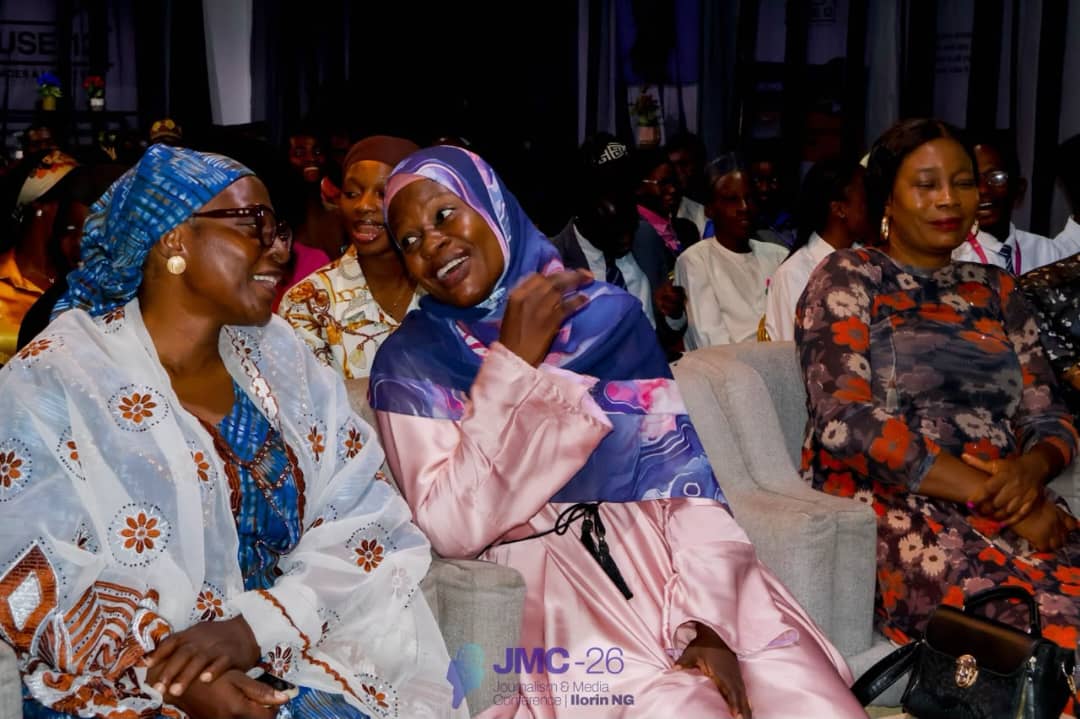
The conference brought together journalists, media professionals, students and other stakeholders. Ajibade said she hoped the discussions would give participants practical knowledge and a renewed commitment to building a credible, independent and socially responsible media industry.