
A Federal Government investigative panel has found that 33 suspected illegal miners, including 14 minors, died from suffocation while detained in an overcrowded Nigeria Security and Civil Defence Corps (NSCDC) cell in Minna, Niger State. The committee attributed the September deaths to poor ventilation, extreme heat, dehydration and unsuitable detention conditions.
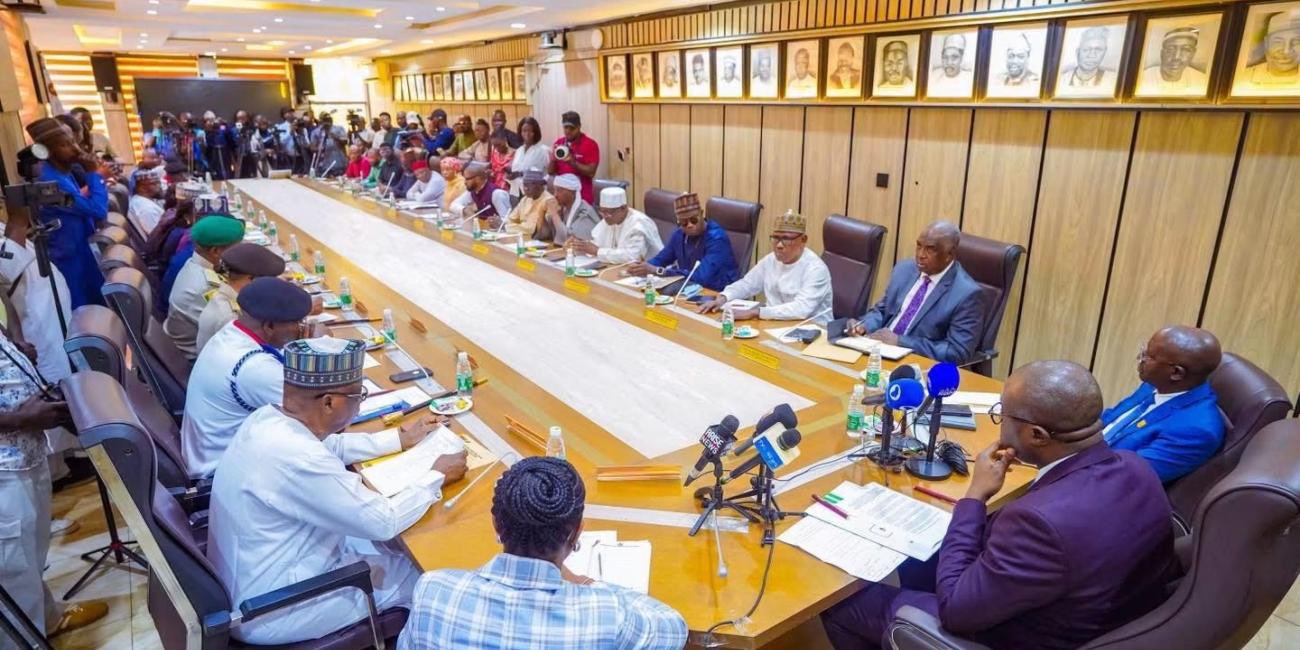
The panel chairman, Jonathan Kure, a former Deputy Director-General of the Department of State Services, presented the report to Interior Minister Olubunmi Tunji-Ojo in Abuja on Tuesday, October 27, 2026. Although initial reports put the death toll at 37, the committee confirmed 33 deaths and identified 41 survivors.
The victims were among people arrested during NSCDC operations against suspected illegal mining in the M.I. Wushishi Estate and Lukoto areas near Minna on September 15 and 16. The panel found that the operations were carried out without an operational order or approval from the corps’ national headquarters and without adequate planning or consultation with relevant mining authorities.
According to the report, approximately 50 male detainees, including children, were held in a cell measuring between 12 and 20 square metres. The facility had inadequate ventilation, no running water, poor lighting and no functioning toilet. Food and drinking water were reportedly unavailable or grossly insufficient, while adults and minors were detained together.
The committee also found that officers on duty failed to respond to repeated distress signals, including cries for help and banging on the cell door and walls. The deaths occurred between about 8pm on September 16 and 7am on September 17, when the cell was eventually opened.
Medical and forensic evidence, including post-mortem examinations on three bodies, ruled out the disease outbreak initially cited by the then Niger State NSCDC commandant, Suberu Aniviye. The panel concluded that the detainees died from environmental asphyxia caused by prolonged confinement in unsuitable conditions, worsened by heat stress and dehydration.
Most of the other bodies had reportedly been buried before the panel’s medical team arrived.
Kure said the deaths resulted from severe overcrowding, unlawful detention conditions, failure of duty of care, disregard for distress warnings, inadequate supervision and wider institutional weaknesses within the NSCDC.
The committee recommended the summary dismissal of the former Niger State commandant and other officers found directly responsible. It also called for an overhaul of the corps’ detention procedures, including improved facilities, CCTV coverage, better emergency medical response, stronger oversight and additional human rights training.
The panel proposed ₦1.4 billion in compensation, recommending ₦30 million for each of the 33 bereaved families and ₦10 million for each of the 41 survivors. Other recommendations include educational support for the dependants of deceased detainees, medical rehabilitation and psychological assistance for survivors and affected families, as well as a formal apology from the Federal Government.
Tunji-Ojo received the report and pledged that the government would act on its recommendations to ensure justice. He also ordered the immediate suspension of officers accused of cleaning the detention facility in circumstances that raised concerns about possible evidence destruction.
The commandant and other officers had already been suspended during an earlier stage of the investigation ordered by President Bola Tinubu.
The incident attracted widespread concern after the NSCDC initially attributed the deaths to a suspected disease outbreak. Human rights groups and relatives of the victims questioned the detention conditions and the reported failure of officers to respond to pleas for help.
Names of some of the deceased, compiled earlier by the International Human Rights Commission from hospital and family records, include Ibrahim Sani, Fahad Sa’adu and Abdulsalam Ismail.
The panel’s findings have placed the conduct of the officers involved and the NSCDC’s detention procedures under renewed scrutiny. The implementation of the recommended compensation and reforms will be central to efforts to secure accountability and prevent similar deaths in Nigerian detention facilities.