
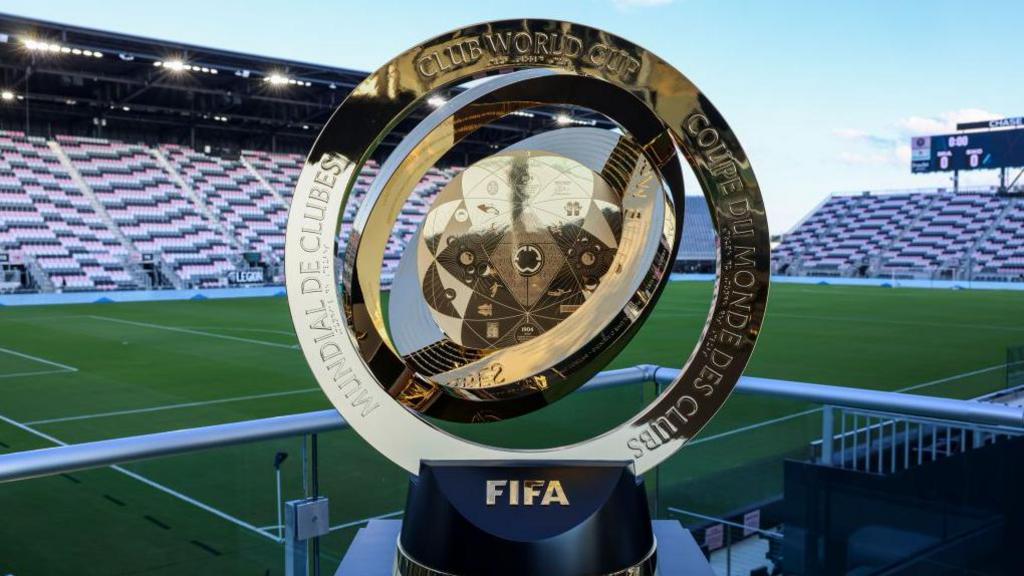
The Club World Cup is underway, though you might not have noticed. With summer in full swing, many fans are busy watching cricket, tracking transfer rumours, or simply soaking up the sun instead of tuning in to FIFA’s latest grand venture.
Yet behind the scenes, this edition of the tournament is making waves—not for its football, but for its finances. Chelsea could walk away with a staggering £87.5 million if they clinch the title. That’s part of a jaw-dropping $1 billion prize pool, the largest ever for a football competition of this kind. For a club wrestling with financial rules and internal cost-cutting, including reports of selling its women’s team and even hotels to itself, the cash is anything but trivial.
So, where is all this money coming from?
DAZN, a British streaming service better known for boxing than football, swooped in to secure global broadcast rights after other major players balked at FIFA’s high price tag. According to DAZN’s CEO of growth markets, Pete Oliver, the company saw this as a global opportunity: a way to test its technology, broaden its reach, and become a dominant force in international sports broadcasting.
While the deal is unlikely to turn a profit for DAZN—at least not yet—it helped FIFA escape a bind. There were growing fears that top clubs wouldn’t take the tournament seriously without major financial incentives. Former Real Madrid boss Carlo Ancelotti even hinted last year that big teams might opt for their own money-making tours if the rewards from FIFA weren’t worth it.
The billion-dollar prize pot was the answer. And with money on the table, the stars showed up.
Reports suggest a significant chunk of the funding came from Saudi Arabia’s sovereign wealth fund, which bought a $1 billion stake in DAZN earlier this year. But most of the financial muscle comes from Ukrainian-born billionaire Sir Leonard Blavatnik, who’s pumped nearly $7 billion into the streaming service to date.
Revenue from ticket sales and major sponsorship deals with brands like Michelob and Bank of America have helped too, though turnout hasn’t exactly set records. A searing American summer, unfamiliar teams, and a jam-packed calendar have made it tough to fill stadiums for anything short of marquee matchups.
Still, FIFA insists the tournament is “financially neutral”—promising that all expenses and club payouts will come from event-generated revenue, not from FIFA’s reserves. No profit is expected to come back to the federation itself.
The billion-dollar spectacle might not have captured the public’s imagination yet, but FIFA is betting big on its long-term potential. Whether fans buy into the vision remains to be seen.