
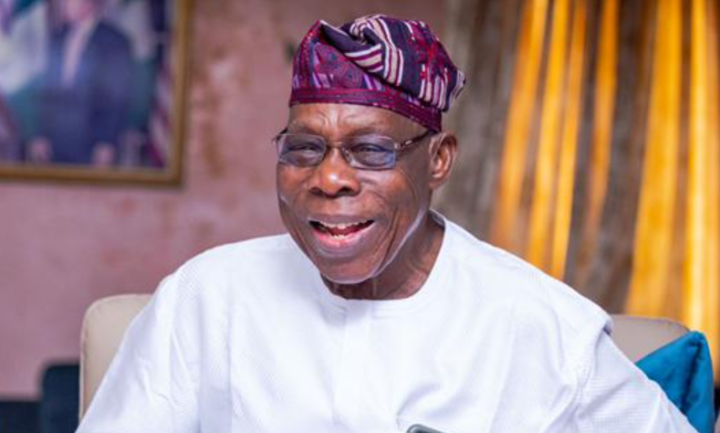
The administration of former President Olusegun Obasanjo, who served from 29 May 1999 to 29 May 2007, is credited with 100 policy actions, reforms and institutional creations across the economy, governance, security, education, health and foreign relations.
Among the most prominent are debt relief, bank consolidation, telecoms liberalisation, the creation of anti-corruption and fiscal institutions such as the EFCC, ICPC, DMO, Excess Crude Account and Due Process Office, and the democratic handover after two terms. The full list is as follows:
1. Paris Club debt relief
2. Bank consolidation
3. Excess Crude Account
4. Growth in foreign reserves, from about $3 billion to $4 billion to over $40 billion
5. Creation of the Debt Management Office (DMO) in 2000
6. Steps toward CBN autonomy, with fuller legal autonomy coming later
7. NEEDS blueprint
8. GSM liberalisation, with 2001 licences and a massive expansion of telephone lines
9. NITDA Act (2007), although the agency existed earlier
10. Creation of the EFCC
11. Creation of the ICPC
12. Due Process Office (BMPIU)
13. NEITI, introduced as an initiative and later backed by an Act
14. Pension reform
15. Creation of PenCom
16. Civil service monetisation
17. SERVICOM
18. Creation of the Bureau of Public Service Reforms (BPSR)
19. Payroll audits
20. Bureau of Public Enterprises (BPE) privatisation programme
21. Port concessioning
22. Unbundling of NEPA
23. Creation of NERC
24. Universal Basic Education
25. Rollout of the NHIS
26. NAPEP
27. Creation of the NDDC
28. Mortgage-related reforms
29. Depoliticisation of the military
30. Police expansion
31. Role in the transformation of the African Union
32. Role in NEPAD
33. Greentree Agreement on Bakassi
34. Nigeria’s return to the Commonwealth
35. Revival and strengthening of NAFDAC
36. Creation of NAPTIP
37. NIMASA
38. Revival and strengthening of NOUN
39. Licensing of private universities
40 to 42. Agricultural initiatives, including cassava, rice and cocoa
43. NLNG expansion
44. Abuja Stadium
45. COJA 2003
46. CHOGM 2003
47. Niger Delta plan
48. NigeriaSat-1
49. Electoral reforms, with major reforms coming later
50. Democratic handover after two terms
51. NIPP power projects, which were started but many of which were delayed
52 to 55. Aviation and maritime reforms, including FAAN, NCAA and the Cabotage Act
56. SMEDAN
57. Bank of Industry
58. NACRDB merger
59. FERMA
60. NACA
61. Polio campaign
62. Roll Back Malaria
63 to 68. Further agricultural initiatives, including Fadama II and fertiliser liberalisation
69. Solid minerals reforms
70. Mining Cadastre
71. Geological Survey
72. FIRS reforms
73. Customs reforms
74. Insurance sector reforms
75. SEC reforms
76. NSE reforms
77. Reforms in the capital market and financial regulation
78. Improved sovereign rating
79. Progress with the London Club
80. Local content policy
81. Marginal fields
82. DPR
83. PPPRA
84. PEF
85. TETFund precursor
86. PTDF
87. NIPSS
88 to 91. Peacekeeping and mediation roles in Liberia, Sierra Leone, São Tomé and other places
92. ECOWAS engagement
93. Gulf of Guinea engagement
94. Financial Intelligence Unit (FIU)
95. Money Laundering Act
96. Advance Fee Fraud Act
97. Child Rights Act
98. Trafficking prohibition
99. Related anti-corruption laws and institutions
100. Groundwork for Freedom of Information, although the FOI Act itself was signed in 2011