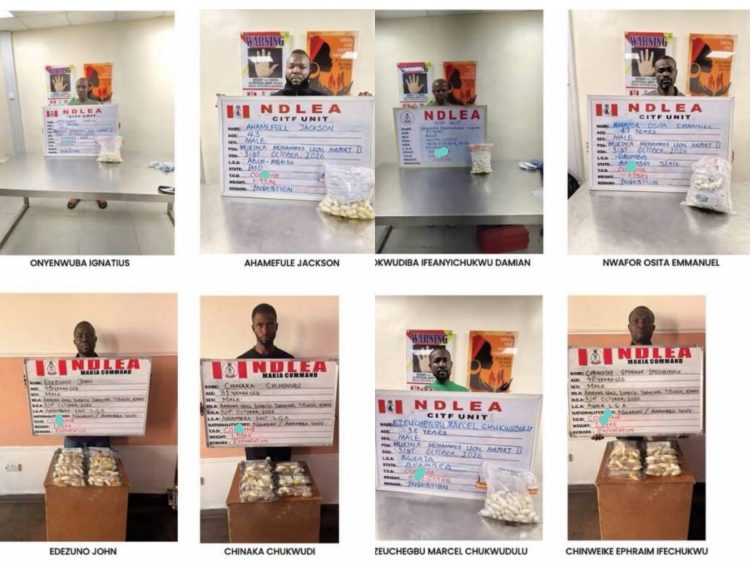

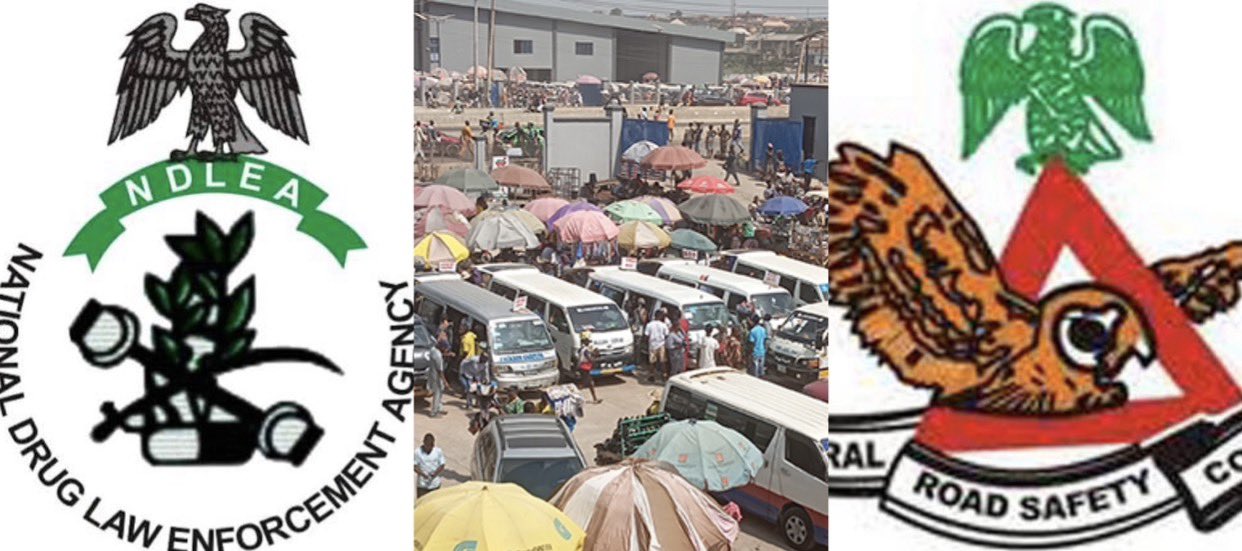
Nigeria’s National Drug Law Enforcement Agency (NDLEA) has announced plans to collaborate with the Federal Road Safety Corps (FRSC) to introduce mandatory drug testing for commercial drivers as part of efforts to reduce road accidents linked to substance abuse.
NDLEA Chairman and Chief Executive Officer, retired Brigadier-General Mohamed Buba Marwa, disclosed this on Thursday, November 5, 2026, during a stakeholders’ engagement in Benin City, Edo State, where participants discussed strategies to address drug abuse in the state.
Marwa said some commercial drivers take drugs to remain awake for longer periods, complete more trips and increase their daily earnings. However, he warned that substance use affects their judgment and concentration, putting passengers and other road users at risk.
“Because the drivers want to go and come back quickly, make more money, they take more drugs without knowing the effects it will have in the brain,” he said.
He explained that drivers under the influence of drugs could become sleepy or confused, make poor driving decisions and cause accidents.
According to Marwa, the proposed drug tests would be incorporated into the commercial drivers’ licensing process. He added that the NDLEA had already engaged transport workers in Edo State, who pledged their cooperation.
The NDLEA chairman also urged transport unions to prohibit the consumption of alcohol and drugs within motor parks.
The proposed initiative builds on previous efforts by the two agencies. In 2025, the NDLEA proposed drug integrity tests for applicants seeking driver’s licences and indicated plans to establish a formal partnership with the FRSC. The proposal also included provisions for on-the-spot drug testing on highways.
However, Marwa did not announce a nationwide commencement date or provide details on how the proposed testing system would operate.
During the engagement, he also renewed his call for mandatory drug screening for couples intending to marry, alongside existing HIV and genotype tests.
He said individuals who test positive should undergo rehabilitation and present a clean result before proceeding with marriage. According to him, a positive test should lead to treatment rather than the automatic cancellation of a relationship.
Marwa also highlighted the scale of drug-related challenges in Edo State, disclosing that the NDLEA arrested at least 1,200 suspects and seized more than 30 tonnes of illicit substances in the state during the previous year.
He put drug-use prevalence among Nigerians aged 15 to 64 at approximately 15 per cent, describing the figure as unacceptable.
The NDLEA chairman called for stronger cooperation among families, schools, religious institutions, government agencies and the media to address substance abuse. He urged parents to pay attention to changes in their children’s behaviour and seek assistance early, while encouraging schools to establish drug-free clubs and counselling units.
He also called on the media to avoid portraying drug use by public figures as acceptable behaviour.
On enforcement, Marwa said a proposed amendment to the NDLEA Act had passed second reading at the National Assembly. The proposed changes include prison terms of between 15 and 25 years for certain offences and the removal of fines as an alternative punishment.
Mrs Edesili Okpebholo-Anani, Coordinator of the Office of the Wife of the Edo State Governor and Chairperson of the State Drug Control Committee, described substance abuse as a growing threat to public health and family welfare.
She welcomed the NDLEA’s alternative development programme, which supports cannabis farmers in moving to legitimate sources of livelihood, and said Edo State was interested in adopting the initiative.
Also speaking, the NDLEA Commandant in Edo State, Dr Mitchell Ofoyeju, said the stakeholders’ engagement was organised to strengthen intelligence sharing, prevention, enforcement and rehabilitation.
He said the agency was seeking broader cooperation involving government institutions, traditional and religious leaders, the judiciary, security agencies and local communities.
The proposed NDLEA and FRSC drug testing initiative is expected to form part of wider efforts to address drug-impaired driving and improve road safety in Nigeria. Its implementation will depend on the development of clear testing procedures and sustained cooperation with transport operators.