
The ongoing Ebola outbreak in the Democratic Republic of the Congo (DRC) has killed more than 5,000 people, according to figures attributed to the country’s health authorities, making it the deadliest Ebola epidemic recorded in the country.
As of late October 2026, the reported figures stood at approximately 10,351 confirmed cases and 5,026 deaths, with about 2,788 people recovering from the disease. The reported case fatality rate was approximately 48.6 per cent, although the figures remain subject to updates as the outbreak continues.
The epidemic, officially declared in May 2026, is the DRC’s 17th recorded Ebola outbreak. The reported death toll also places it among the largest and deadliest Ebola epidemics globally, behind the 2014–2016 West Africa outbreak, which infected more than 28,600 people and killed over 11,000 across Guinea, Liberia and Sierra Leone.
The outbreak has been linked to the Bundibugyo species of Ebola virus, for which no approved vaccine or specific antiviral treatment is currently available. Treatment relies primarily on supportive medical care, while researchers and health authorities assess potential interventions.
Eight of the DRC’s 26 provinces have reportedly been affected, with Ituri Province in the northeast accounting for the largest share of cases, followed by North Kivu. The spread has placed additional pressure on health facilities and response teams working to contain transmission.
Conflict and insecurity in eastern DRC have complicated containment efforts by restricting access to affected communities and making it more difficult for health workers to identify cases, trace contacts and provide timely treatment. Reports have also raised concerns about deaths occurring outside treatment facilities and infections among people who were not previously identified as contacts.
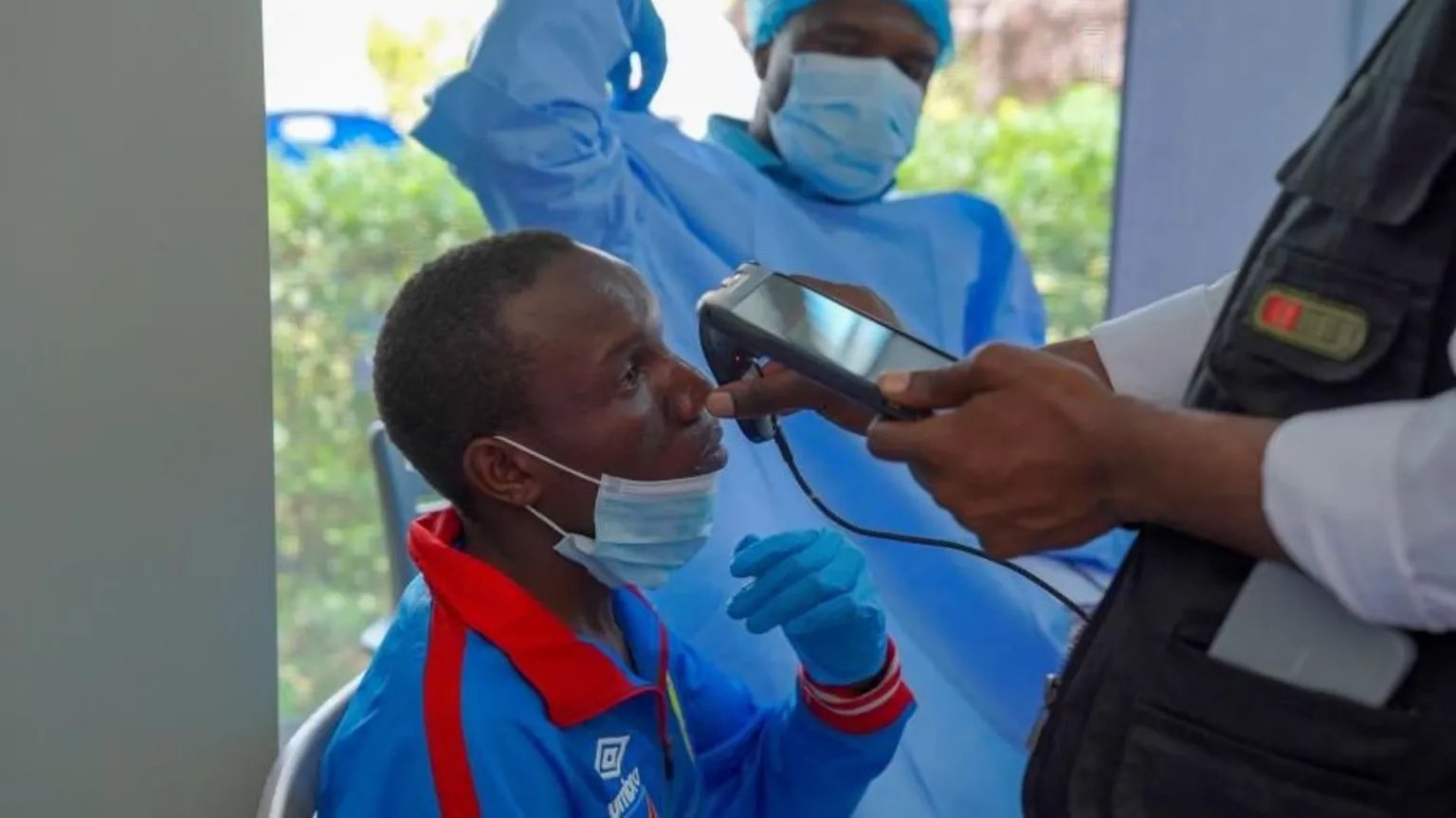
The outbreak has prompted concern beyond the DRC, with health authorities in neighbouring countries strengthening surveillance, contact tracing and border monitoring. Reports of cases or suspected transmission linked to travel have underscored the importance of coordinated regional preparedness.
The World Health Organization and Africa Centres for Disease Control and Prevention have emphasised the need for stronger surveillance, community engagement, access to affected areas and additional resources to interrupt transmission.