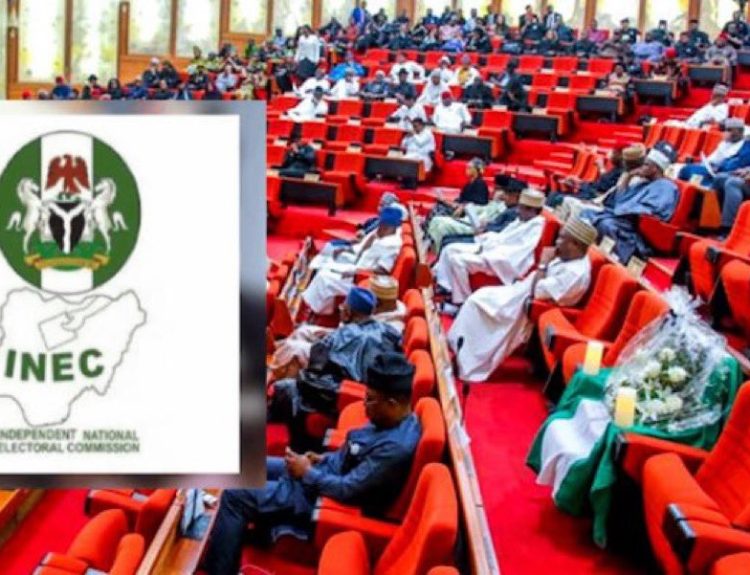


Thirty-two of Nigeria’s 36 State Houses of Assembly have approved the constitutional amendment bill seeking to establish state police, leaving Katsina, Bauchi, Borno and Niger as the four states yet to give their positions.
The development, reported on Thursday, October 29, 2026, represents significant progress towards decentralising policing in Nigeria. The approving assemblies have transmitted their resolutions to the National Assembly as part of the constitutional amendment process.
The states that have approved the bill are Abia, Adamawa, Akwa Ibom, Anambra, Bayelsa, Benue, Cross River, Delta, Ebonyi, Edo, Ekiti, Enugu, Gombe, Imo, Jigawa, Kaduna, Kano, Kebbi, Kogi, Kwara, Lagos, Nasarawa, Ogun, Ondo, Osun, Oyo, Plateau, Rivers, Sokoto, Taraba, Yobe and Zamfara.
Katsina, Bauchi, Borno and Niger are the only states yet to approve the proposal, according to reports by Daily Post and TheNiche.
The Constitution (Sixth Alteration) Bill, 2026, seeks to move policing from the Exclusive Legislative List to the Concurrent Legislative List, allowing state governments to establish and manage their own police services alongside the Nigeria Police Force.
The proposed reform is being pursued amid persistent security challenges, including kidnapping, banditry and communal violence. Supporters argue that state police would improve local intelligence gathering and enable faster responses to security threats in different parts of the country.
However, critics have raised concerns about the possibility of governors using state police to intimidate political opponents or suppress dissent. The proposed framework is expected to address issues surrounding oversight, professional standards, accountability and funding.
The Senate has previously passed the amendment, which was subsequently transmitted to state assemblies for approval as required under Section 9 of the 1999 Constitution. Constitutional amendments require approval by at least two-thirds of the state assemblies, meaning support from 24 states is needed.
With 32 states reportedly in support, the proposal has surpassed that threshold. The National Assembly is expected to complete the collation of state resolutions before the amendment proceeds to the next stage of the constitutional process.
A separate National Policing Bill is also expected to provide the operational framework for the proposed system, including safeguards intended to ensure professional conduct and prevent political interference.