

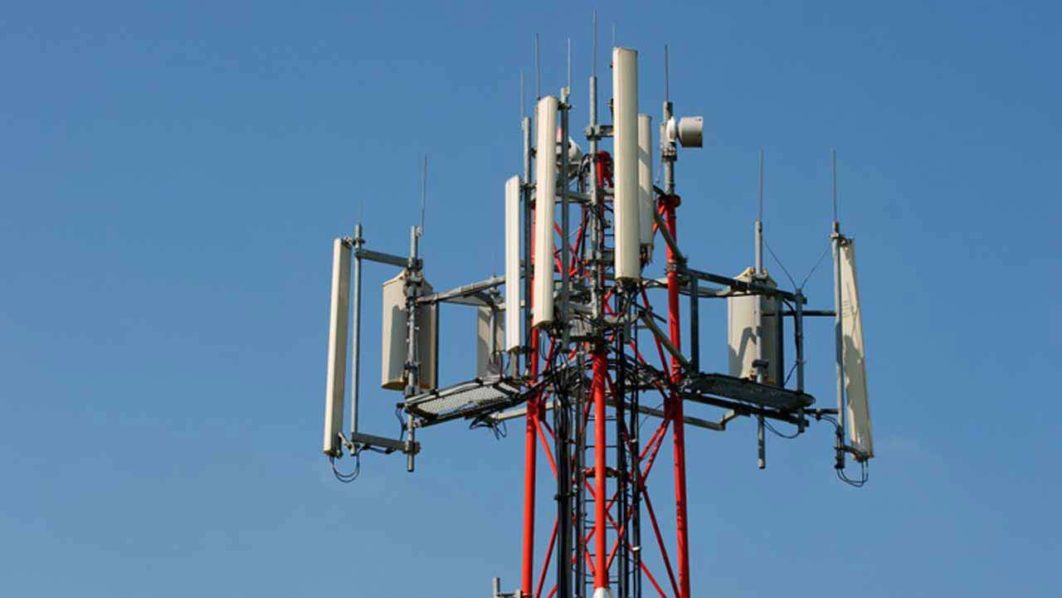
In an effort to improve connectivity in Nigeria’s rural areas, the Universal Service Provision Fund (USPF) has announced plans to deploy 1,000 additional base transceiver stations (BTS) by 2030. The initiative, undertaken in collaboration with development partners, aims to bridge the country’s digital divide and improve access to mobile services in underserved communities.
USPF Secretary Yomi Arowosafe, speaking at a telecoms forum in Lagos, emphasized that regular sensitization programs will be held at both state and local government levels to ensure smooth implementation. He also highlighted efforts to support affordable mobile device access in remote areas through partnerships with original equipment manufacturers (OEMs).
This expansion comes in addition to the Federal Government’s recently announced plan to establish 7,000 BTS. A report by the Nigerian Communications Commission (NCC) indicated that telecom infrastructure has significantly grown in recent years, with the industry now boasting over 127,000 BTS, 34,862 towers, and nearly 100,000 km of fibre optics networks.
Arowosafe revealed that Nigeria has reduced its connectivity gap by 57.97% between 2013 and 2024, with the number of unserved and underserved clusters shrinking from 207 to 87. As a result, 13.8 million people have gained access to telecom services, and the number of individuals living without reliable connectivity has dropped from 36.8 million in 2013 to 23 million today.
The USPF Secretary commended the International Telecommunication Union (ITU) and the UK’s Foreign, Commonwealth and Development Office (UK FCDO) for their continued support in expanding rural connectivity. He emphasized that achieving universal connectivity requires collective efforts from government bodies, private enterprises, NGOs, and community leaders.
Meanwhile, on a global scale, the World Bank has estimated that $400 billion will be needed to ensure universal broadband access by 2030. The organization stressed that neither the public nor private sector can meet this demand alone, urging strong partnerships to drive digital inclusion.
The World Bank also warned that failing to act now could exacerbate inequalities, leaving millions without Internet access and digital skills in an era dominated by artificial intelligence and data-driven technologies. It called for strategic investments in digital infrastructure, affordability initiatives, and cybersecurity measures to create a more inclusive and connected global economy.