
The Lagos Metropolitan Area Transport Authority (LAMATA) revealed on Wednesday that approximately 15,000 public buses are needed daily to adequately transport passengers across Lagos. This announcement came during a courtesy visit by a delegation from the Public Complaints Commission (PCC) to LAMATA’s office in Alausa, Ikeja.
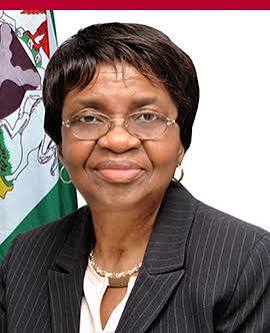
LAMATA’s Managing Director, Abimbola Akinajo, addressed the PCC delegation, led by Commissioner Hafeez Odunewu, and acknowledged the growing concerns over bus shortages and long waiting times at various stations. The PCC had raised these issues as part of its mission to better understand the challenges faced by LAMATA’s franchisees.
In a statement shared on LAMATA’s official X (formerly Twitter) handle, the agency confirmed that it is actively collaborating with the private sector to expand its fleet. Akinajo disclosed that LAMATA is expecting a significant addition to its public transport system, with the delivery of 500 Compressed Natural Gas (CNG) buses and 50 electric vehicles by the last quarter of this year.
However, she emphasized that Lagos currently operates with just over 1,000 buses, a far cry from the 15,000 needed to meet the city’s daily transportation demands. “Studies indicate that Lagos requires around 15,000 buses to function optimally,” Akinajo stated, highlighting the gap between current resources and the city’s needs.
The PCC delegation, which included Director of Investigations Ayinde Wale and other officials, expressed appreciation for LAMATA’s transparency and detailed responses during the visit. The commission’s primary concerns revolved around the insufficient number of buses and the resulting inconvenience for commuters, who often face extended waiting times at bus stations.
Lagos, one of Africa’s most populous cities, has long grappled with transportation challenges due to its rapid urbanization and growing population. The introduction of CNG buses and electric vehicles is part of LAMATA’s broader strategy to modernize the public transport system and reduce the environmental impact of traditional fuel-powered buses.
While the planned fleet expansion is a step in the right direction, the significant disparity between the current operational capacity and the city’s requirements underscores the urgent need for further investment and collaboration to address Lagos’ transportation crisis.
The PCC’s visit and LAMATA’s response highlight the ongoing efforts to improve public transport in Lagos, but also serve as a reminder of the work still needed to ensure efficient and reliable mobility for millions of residents.