
1. Tinubu nominates General Christopher Musa as new Defence Minister after Abubakar’s resignation
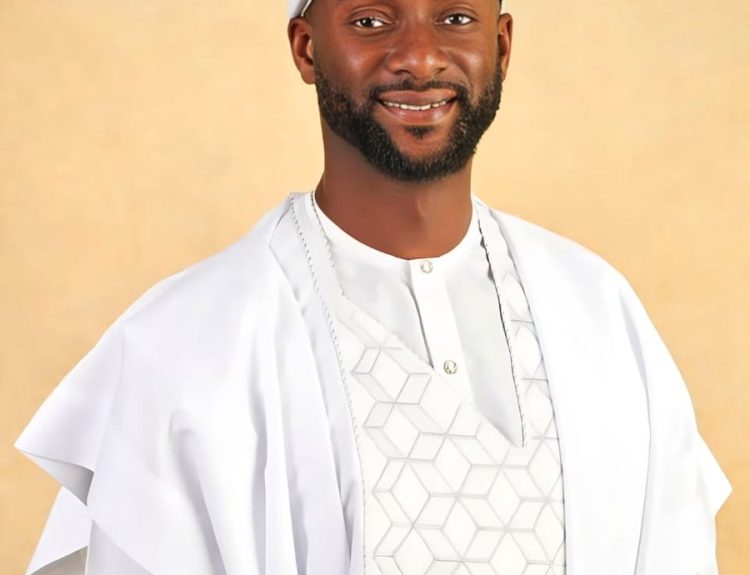
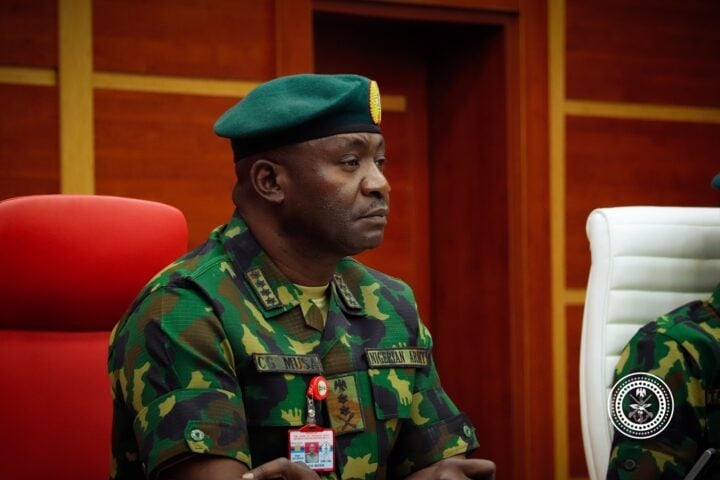
President Bola Tinubu has nominated retired General Christopher Gwabin Musa as Nigeria’s new Minister of Defence, following the sudden resignation of Alhaji Mohammed Badaru Abubakar on December 1 due to health concerns. Musa, 58, previously served as Chief of Defence Staff until October 2025 and is widely associated with counterinsurgency operations in the northeast and northwest. The nomination has been sent to Senate President Godswill Akpabio for confirmation and comes at a tense moment, with more than 400 schoolchildren still missing after mass abductions in Niger and Kebbi states.
Communities across Borno, Zamfara and Kaduna say they are watching the transition closely, hoping for stronger coordination between military units and local responders. Abubakar’s 15-month tenure was frequently marked by debates over response time and communication, while Musa’s return to a frontline security role is drawing attention to his past field experience. The handover arrives as security agencies confront rising pressure over rural attacks, kidnap corridors and overstretched personnel.
2. Nigeria shelters Guinea-Bissau opposition figure Fernando Dias after coup unrest
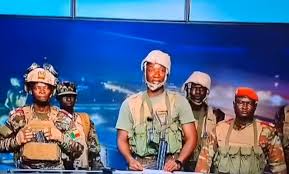
Nigeria has offered refuge to Guinea-Bissau opposition presidential candidate Fernando Dias, who is currently staying at the Nigerian Embassy in Bissau following a military takeover that disrupted election results on December 2. Foreign Ministry officials say the move was made in response to credible threats to Dias’s safety as armed factions clashed in the capital and rival candidates declared victory. Former Nigerian President Goodluck Jonathan, who had been in the country as an ECOWAS observer, also returned safely after the unrest escalated.
Supporters of both leading candidates have continued gathering around key government buildings as gunshots and military patrols intensified across the city. ECOWAS has condemned the coup and called for an immediate return to constitutional order. Nigeria’s embassy remains one of the few stable points in the unfolding crisis, playing a quiet role in keeping political actors safe while regional mediators work to ease tensions.
3. Naira steadies around N1,465 as official and parallel market rates converge
The naira traded at roughly N1,465 to the US dollar on December 2 at the official Investors and Exporters window, staying close to the parallel market’s N1,467 to N1,469 range. The narrow gap between both markets follows weeks of Central Bank interventions and seasonal inflows from remittances and exports. Trading activity remained relatively low, but the tighter spread is giving some import-dependent businesses short-term breathing room, particularly ahead of the holiday sales period.
In Lagos markets, several traders welcomed the reduced volatility, noting that stable rates help them plan inventory without fear of sudden price jumps. The calm, however, sits against a backdrop of inflation still above 30 percent and lingering concerns over oil receipts, foreign reserves and debt obligations. For now, the currency’s steadiness reflects a quieter trading cycle and a slowdown in speculative activity.
4. Nigeria opens 2025 oil licensing round with 50 blocks on offer
The Nigerian Upstream Petroleum Regulatory Commission has launched the 2025 oil licensing round, offering 50 oil blocks across onshore, shallow water and deepwater terrains. The exercise is designed to attract new investments and boost national production, which currently averages about 1.4 million barrels per day. Officials say the round will feature fully digital submissions, new fiscal incentives and a renewed emphasis on local participation after years of limited exploration activity.
Communities in the Niger Delta are following developments closely as past rounds raised concerns about environmental pollution and stalled remediation projects. Industry players say the current exercise could determine whether Nigeria regains lost output share and repositions itself in a tightening global energy market. The commission has scheduled a series of stakeholder sessions to give companies clarity on application timelines and technical requirements.
5. Wike revokes high-profile land allocations in Abuja amid masterplan enforcement
Federal Capital Territory Minister Nyesom Wike has revoked a batch of land allocations in Abuja, affecting notable figures such as the Ilorin Emir, the Lamido of Adamawa, former governors Ayodele Fayose and Okezie Ikpeazu, and Iyabo Obasanjo. The FCTA says the revocations were triggered by non-compliance with payment terms and development timelines, adding that the reclaimed plots will be channelled into public infrastructure projects including roads and green areas.
Some affected individuals have criticised the action, while residents in high-density districts say the enforcement could ease congestion if properly managed. The clean-up push adds to a series of urban policy decisions Wike has implemented since assuming office, many of them aimed at restoring adherence to Abuja’s original masterplan. Development Control officials say further reviews are underway across the city.
6. PDP sets December 2 date for Osun governorship primary
The Peoples Democratic Party has fixed its Osun governorship primary for December 2 as aspirants intensify consultations ahead of the 2026 election cycle. According to the party’s National Organizing Secretary, accreditation will begin early in Osogbo, with leading contenders including Dotun Babayemi and Akin Ogunbiyi. The contest follows internal efforts to repair fractures from past election losses and re-energise party structures across the southwest.
Delegates from Ife, Ilesa and Osogbo spent the weekend weighing their options, describing the primary as an important test of unity and discipline before campaign season fully begins. Party officials have repeatedly urged members to avoid parallel congresses and disputes that might weaken the ticket before 2026. Final results are expected to shape early alliances within the state’s political blocs.
7. FG cautions Nigerians over rising UAE job scams after multiple detentions
The Federal Government has issued a public advisory warning Nigerians to avoid unlicensed agents promising jobs in the United Arab Emirates, following a surge in reports of detentions and deportations linked to forged employment papers. According to the Ministry of Labour, many victims paid large sums for letters that were rejected on arrival, leading to immediate return flights or temporary holding at Dubai airport.
Families in Lagos, Kano and Port Harcourt have reported cases of relatives stranded after attempting undocumented travel routes circulated on social media. Authorities say investigations are ongoing and that verified recruitment channels remain the safest option for overseas job seekers. The advisory comes as Nigeria and the UAE continue discussions on easing long-standing visa restrictions.