
1. CBN pauses rate hikes as inflation shows early signs of cooling
Nigeria’s Monetary Policy Committee held interest rates at 27.5 percent in its first pause since mid-2024, betting that slowing inflation around 32 percent and recent FX clean-ups are strong enough to justify caution. Officials acknowledged concerns over naira swings and fiscal pressures but said tightening further risked stifling businesses already stretched by food shortages and expensive imports.
The naira appreciated slightly to ₦1,452 on the official window, giving importers brief relief. Analysts describe the decision as a calculated breather that buys policymakers time, especially if paired with clearer communication and deeper structural fixes in agriculture.
2. Nigeria unveils first locally made DG-103 rifles for security forces
The Defence Industries Corporation of Nigeria released its first batch of DG-103 assault rifles and upgraded AK models, marking a leap in the country’s drive for self-reliance in defence production. The weapons, engineered for local terrains using partially Nigerian-sourced materials, will be deployed to troops and police units across high-risk zones.
President Tinubu called the rollout a major milestone. Production is targeting 10,000 units annually. Early endurance tests show improved reliability compared to older imports, though quality-assurance systems remain under scrutiny as the program scales.
3. All 24 abducted Kebbi schoolgirls regain freedom
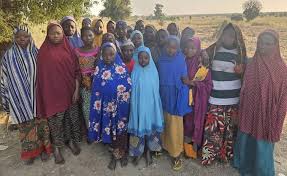
Relief spread through Kebbi State as all 24 girls kidnapped from a government boarding school earlier this month were safely rescued. Security operatives traced the captors to a forest hideout and recovered the students without reported casualties. The girls, aged 12 to 16, are undergoing medical checks and counselling.
Communities welcomed the coordinated operation but reiterated concerns about recurring abductions across the northwest. Calls for long-term deterrence, including permanent security bases around vulnerable schools, grew louder.
4. Fifty students escape Niger mass kidnapping
Fifty pupils abducted from St. Mary’s Catholic School in Agwara, Niger State, managed to escape after days in captivity. The children, some barely ten, fled during lapses in vigil by the kidnappers and trekked long distances with help from local hunters.
More than 250 students and 12 teachers remain missing. Search operations continue with no ransom demands announced so far. The attack has kept schools across the region shut, heightening anxiety in communities repeatedly hit by bandit raids.
5. Nigeria rolls out 2025-2030 counter-terrorism strategy
National Security Adviser Nuhu Ribadu launched a new five-year counter-terrorism plan aimed at tackling insurgency, banditry, and online radicalization through intelligence fusion, tech upgrades, and community-level prevention. The strategy earmarks ₦500 billion for AI-enhanced surveillance, deradicalization programs, and security investment across the northeast.
Civil society groups will contribute to early-warning networks. International partners signalled interest in collaboration, though observers are watching funding timelines closely.
6. Japan and WHO commit $500,000 to cholera response
Japan and the World Health Organization pledged half a million dollars to strengthen Nigeria’s cholera containment efforts. The funding will support diagnostics, vaccines, treatment kits, and training for 5,000 health workers across hotspots such as Borno and Adamawa.
With more than 10,000 cases recorded this year, officials say the support will help close logistics gaps triggered by flooding and internal displacement.
7. EU opens women’s innovation hub in Kano to revive textile heritage
The European Union inaugurated a women-led digital innovation centre in Kano to support 500 female entrepreneurs working in the state’s historic textile sector. The €2 million initiative blends traditional dyeing and weaving with digital skills, enabling artisans to produce export-ready designs and access global markets.
Governor Abba Yusuf described the hub as a revival of a once-dominant industry. Early trainees are already producing prototypes that merge heritage craftsmanship with modern sustainability practices.
Categories:
News
Top 7 Things You Should Know About Nigeria Today