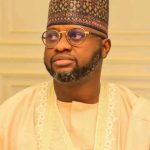


A Senior Lecturer in the of Mass Communication, University of Ilorin, Dr. Abdul Kadir Laaro,
has emphasized the urgent need for deliberate and ethical reputation management in Nigeria’s fast -evolving digital media landscape.
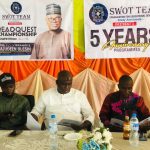
He made the call while delivering a lecture titled “Nigeria’s Reputation Index: The Challenge of Managing Reputation in a Digital Media Environment” at the monthly clinic of the Kwara State chapter of the Nigerian Institute of Public Relations (NIPR) in Ilorin.
Dr. Laaro described reputation as the collective perception, opinion or evaluation that individuals, organisations or nations earn over time. This he said is through their actions, communication, performance, values, and identified credibility, trustworthiness, competence, social responsibility, consistency, transparency and emotional appeal which are core components that shape public perception. According to him, criteria for assessing reputation include perceived quality, integrity, trust, responsiveness, communication effectiveness, leadership vision and stakeholder satisfaction.
The media scholar explained that managing reputation goes beyond publicity, stressing that it requires aligning organisational behaviour with stakeholders’ expectations. This, he noted, is achieved through proactive communication, ethical leadership, social responsibility initiatives and a readiness to respond effectively during crises. While a strong reputation reinforces public loyalty and institutional resilience, a damaged one undermines credibility and legitimacy.
Speaking on the digital media environment, Dr. Laaro described it as a highly interconnected ecosystem of platforms and technologies that enable instant creation, sharing and interaction of information. He noted that it is dynamic, participatory and data-driven, allowing real-time dialogue and global reach. However, he warned that the same environment,dominated by platforms like X, Facebook and YouTube,also exposes individuals and institutions to misinformation, echo chambers, privacy breaches and cyberbullying.
Dr. Laaro stated that digital transformation has significantly altered how reputation is built and defended. Reputation management today, he said, demands continuous engagement, strategic online presence and timely feedback and outlined the positive impacts of digital platforms, which according to him,include real-time communication, wider visibility, improved stakeholder engagement and the power of storytelling through visuals, videos and interactive content.
However, he cautioned that the negative impacts are equally strong. These include misinformation, loss of message control, politicization of narratives, cancel culture, backlash, ethical risks and information overload. He stressed that viral criticism or data breaches can quickly erode public trust, making recovery slow and demanding.
To address these challenges, Dr. Laaro recommended a range of strategic responses, like crisis preparedness with rapid-response protocols, continuous monitoring and analytics, authentic and empathetic engagement, consistent messaging across platforms, ethical conduct anchored on transparency and truth, and sustained capacity building through digital literacy training.
He urged communication professionals to embrace these strategies to safeguard their organisations and contribute to enhancing Nigeria’s reputation in the digital era.
A Fellow of the Nigerian Institute of Public Relations (NIPR) and Senior Advisor and Counsellor to the Kwara State Governor, Alhaji Saadu Salaudeen, commended the leadership of the state chapter of the Institute for its steadfast commitment to enhancing the professional skills and competence of its members. Salaudeen, who described public relations as fundamentally centred on reputation management, said the chapter’s continuous capacity-building efforts were vital to strengthening the profession.
Also speaking, a former Commissioner for Information in Kwara State and Fellow of the Institute, Oloriewe Raheem Adedoyin, attributed many of the nation’s challenges to a deep-seated trust deficit, and praised the guest speaker for delivering an insightful presentation that addressed the critical issues affecting Nigeria’s reputation landscape.
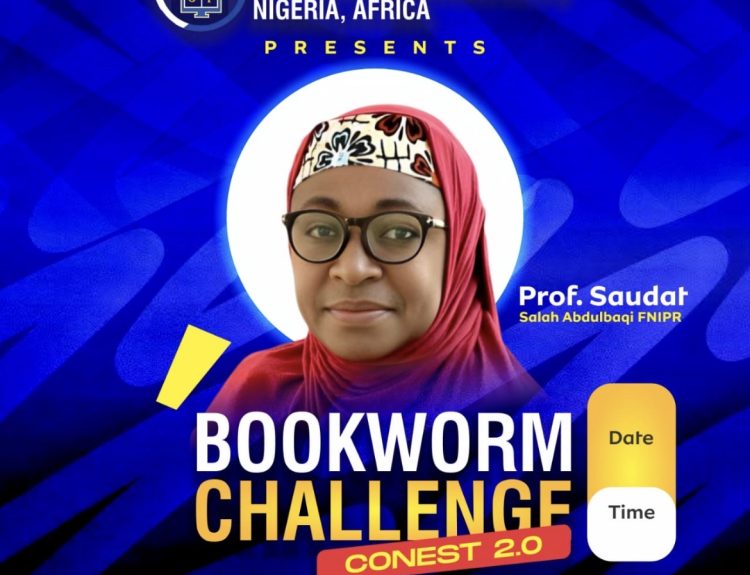
In her remarks, the Dean of the Faculty of Arts, University of Ilorin, and member of the Institute’s Governing Council, Professor Saudat Salah-AbdulBaqi, called for stricter regulations to combat fake news, misinformation and disinformation, and emphasized that curbing these trends was essential to safeguarding public trust.
Professor Salah-AbdulBaqi also urged young practitioners to uphold the virtues of integrity, professionalism and sound financial values, which she noted were fully embodied by the NIPR.
Earlier, the state chairman of the Institute, Mr. Gabriel Ogunade, encouraged members to remain repositories of knowledge and credible sources of information. He disclosed that October 15 has been set aside annually as National Reputation Day, an initiative designed to draw national attention to the importance of reputation management and the need to strengthen Nigeria’s integrity profile.